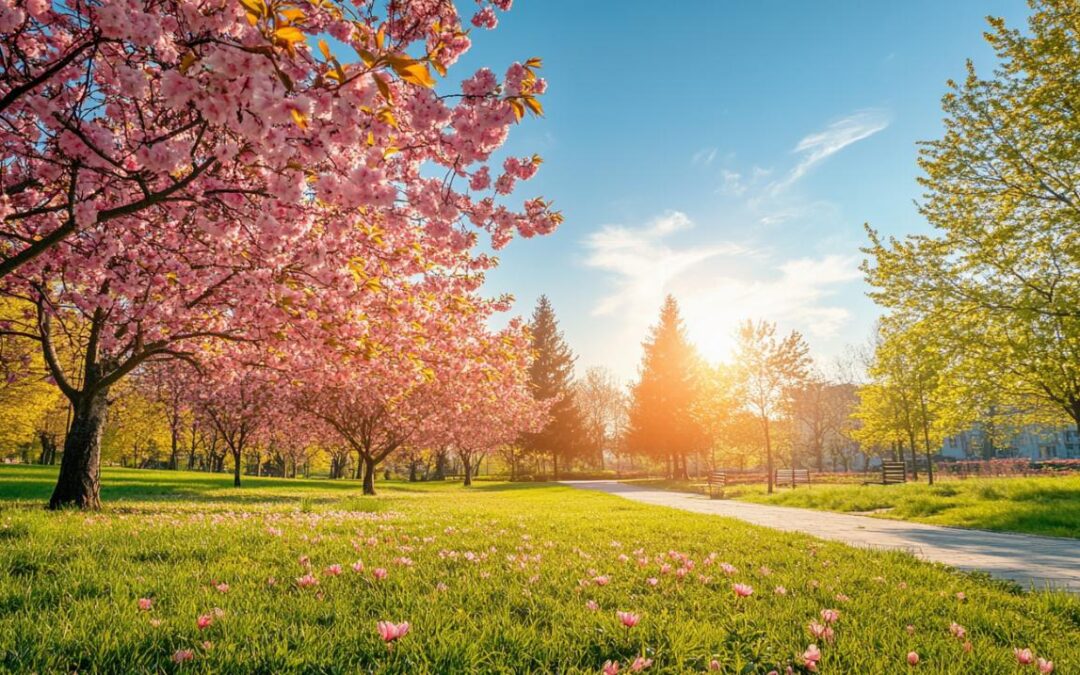
On 21 March 2024, the world paused to celebrate World Poetry Day, a date that holds particular resonance as it coincides with the spring equinox, marking the arrival of a season of renewal and rebirth. Established by UNESCO in 1999, this annual observance invites individuals and communities across the globe to reflect on the power of verse to connect cultures, preserve languages, and articulate the deepest facets of human experience. This year, the celebration took on a special significance as French poets and cultural institutions joined voices with international figures to explore poetry's evolving role in contemporary society, from digital platforms to the corridors of political discourse.
Celebrating world poetry day amidst the vernal equinox
The Significance of 21 March in the Literary Calendar
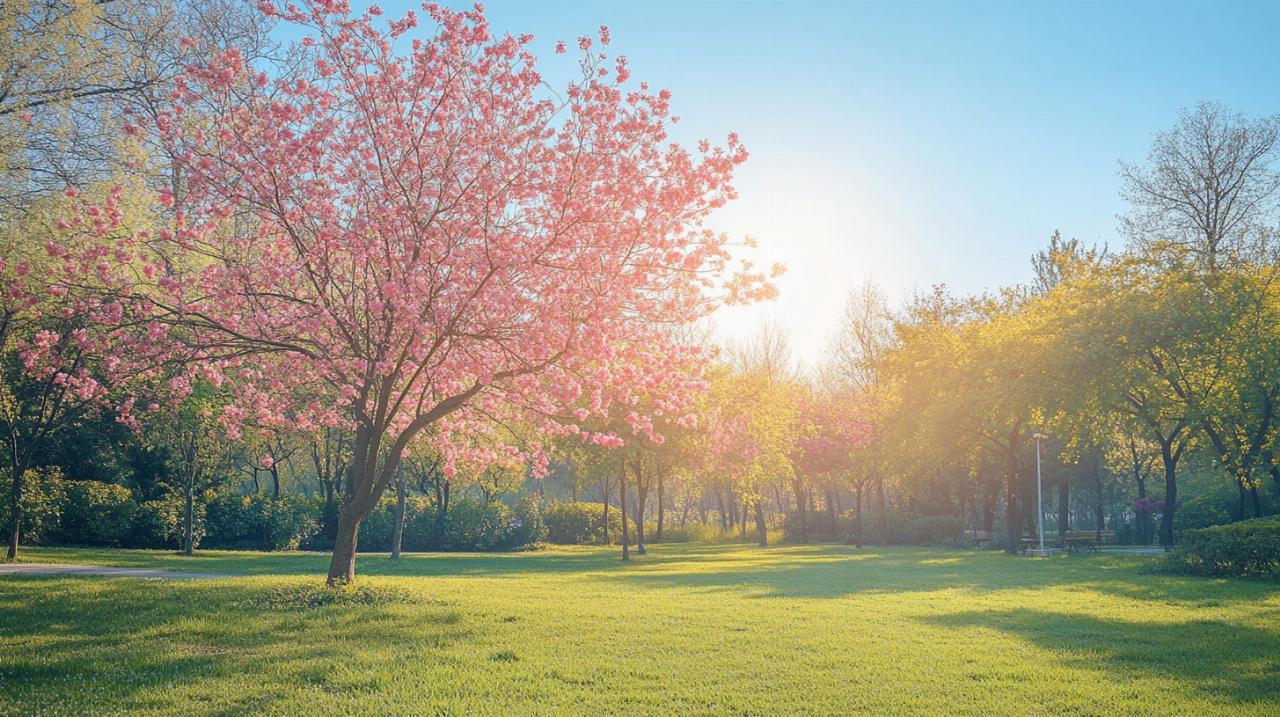
The choice of 21 March as World Poetry Day is far from arbitrary. This date marks the spring equinox, a moment when day and night stand in perfect balance before the world tilts toward longer days and the flourishing of new life. For centuries, poets have drawn upon the symbolism of spring to explore themes of transformation, hope, and cultural rebirth. The alignment of this literary celebration with the equinox underscores poetry's capacity to bridge the natural and the cultural, the personal and the universal. UNESCO has long championed the arts as a vehicle for education and dialogue, and World Poetry Day serves as a testament to the organisation's commitment to promoting linguistic diversity and safeguarding oral traditions. The day invites poets, readers, and educators to consider how verse can illuminate the complex experiences of our time while honouring the rich tapestry of languages that define human civilisation.
French poetic traditions and their global influence
France has long held a distinguished place in the history of world poetry, from the medieval troubadours to the modernist experiments of the twentieth century. French poets have contributed profoundly to global literary movements, shaping how we understand emotion, politics, and the human condition. On World Poetry Day 2024, French cultural institutions and poets participated in events that celebrated this legacy while also engaging with contemporary issues. The influence of French poetic traditions extends well beyond national borders, inspiring writers in Spanish-speaking countries and beyond. Aurora Vélez, a senior reporter and poet-in-residence at Euronews, exemplifies this cross-cultural exchange. Having published four poetry collections in Spanish and participated in the collective Voix de l'extrême, Vélez draws upon the inspiration of her great-uncle and celebrated Spanish poets such as Ramiro Pinilla and Gloria Fuertes. Her work reflects a vibrant dialogue between French and Spanish literary traditions, demonstrating how poetry can transcend linguistic boundaries to foster mutual understanding and cultural renewal.
Political and Cultural Reflections on French National Identity
Frederic Mitterrand and the Role of Arts in Contemporary France
In recent years, the intersection of culture and politics in France has been a subject of intense debate. Figures such as Frederic Mitterrand have long championed the importance of the arts in shaping national identity and fostering social cohesion. As France navigates complex political landscapes, including municipal council elections and discussions within the National Assembly and Senate, the role of poetry and the broader cultural sector remains a vital touchstone for public discourse. The arts offer a space for reflection and dialogue that transcends partisan divisions, allowing citizens to grapple with questions of identity, belonging, and collective memory. In this context, World Poetry Day serves as a reminder of poetry's enduring capacity to articulate the aspirations and anxieties of a nation. Whether addressing themes of immigration, cultural diversity, or the preservation of endangered languages, poets contribute to a broader conversation about what it means to be French in an increasingly interconnected world.
Municipal Council Elections and Poetry's Place in Public Discourse
The timing of World Poetry Day in 2024 coincided with a period of heightened political activity in France, as municipal council elections drew near and debates over national security and international agreements such as CETA dominated headlines. In this charged atmosphere, poetry emerged as an unexpected yet potent voice in public discourse. Poets and cultural commentators alike used the occasion to explore how verse can respond to contemporary challenges, from economic inequality to the threats posed by online disinformation. The French literary tradition has always been deeply engaged with questions of social justice and political transformation, and contemporary poets continue this legacy by addressing the pressing issues of our time. Through readings, workshops, and digital initiatives, World Poetry Day 2024 provided a platform for diverse voices to contribute to the national conversation, demonstrating that poetry remains a vital force in shaping public opinion and inspiring civic engagement.
Poetry as a Response to International Crises and Renewal
Verse Addressing the War in Ukraine and Middle Eastern Tensions
Beyond France's borders, the world in March 2024 was marked by ongoing conflicts, including the war in Ukraine and escalating tensions related to the Israel-Hamas situation. These crises have prompted poets around the globe to respond with works that bear witness to suffering, resilience, and the enduring hope for peace. Poetry has historically served as a medium through which individuals and communities process trauma and articulate collective grief. On World Poetry Day, readings and performances highlighted the work of poets who draw upon their lived experiences of displacement, violence, and loss to create verse that resonates across cultural and national boundaries. The power of poetry to give voice to the voiceless and to humanise abstract geopolitical struggles was on full display, reminding audiences of the urgent need for empathy and understanding in an era of division and conflict.
Spring Symbolism and Cultural Resilience in the Digital Age
The spring equinox symbolises not only the return of light and warmth but also the promise of cultural renewal in the face of adversity. In the digital age, poetry has found new avenues for expression and dissemination, from social media platforms like TikTok and Instagram to innovative uses of artificial intelligence. Aurora Vélez has observed that poetry is experiencing a resurgence, particularly among young people who are drawn to its accessibility and expressive potential. This evolution reflects a broader shift in how we engage with literature and culture, as traditional forms are reimagined through contemporary media. Vélez herself is intrigued by the potential of AI in poetry, though she maintains that the essence of verse remains rooted in human experience and emotion. The celebration of World Poetry Day in 2024 underscored the importance of preserving endangered languages and oral traditions, even as poets embrace new technologies to reach wider audiences. Jesse Paris Smith, writing for the Italian Cultural Institute of New York, noted that the convergence of the spring equinox and World Poetry Day on 21 March offers a powerful reminder of poetry's capacity to inspire cultural resilience and renewal. As societies grapple with the challenges of the twenty-first century, from climate change to political polarisation, poetry continues to serve as a vital source of hope, connection, and transformation. The events of World Poetry Day 2024, with their emphasis on French and international voices, demonstrated that verse remains a dynamic and essential force in our collective journey toward a more just and compassionate world.