
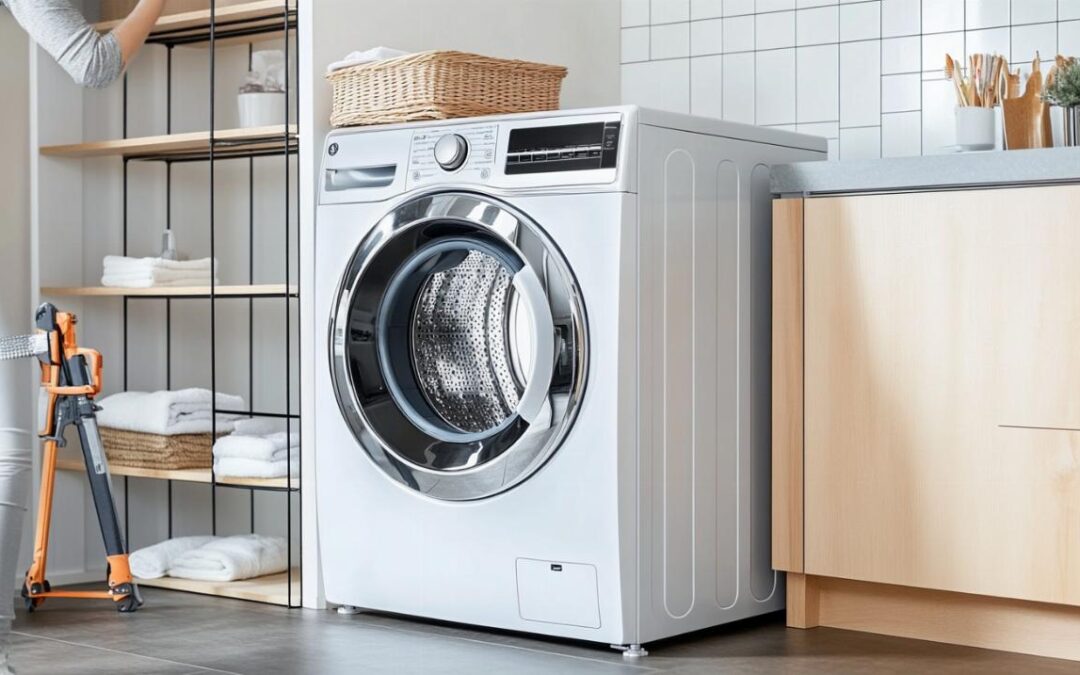
When space is at a premium in your home, making clever use of every available square inch becomes essential. For those grappling with cramped laundry areas, there exists a practical and increasingly popular solution that transforms two bulky appliances into a single, vertical unit. This approach not only liberates valuable floor space but also introduces a level of organisation that can make your daily chores considerably more manageable. Before embarking on this project, however, understanding the fundamentals of safe installation is crucial to avoid costly mishaps and ensure long-term reliability.
Preparing your appliances for stacking
Checking compatibility and manufacturer guidelines
The very first consideration when contemplating stacking washing machine and dryer units involves confirming that your particular models are suitable for this arrangement. Not all appliances are designed to be stacked, and attempting to force incompatible machines together can lead to structural instability and potential damage. Consulting the manufacturer’s documentation is an absolute must, as these guidelines will clearly state whether your specific models can be safely combined. Generally speaking, compatible models tend to come from the same manufacturer and product line, ensuring that dimensions align perfectly and that the design accounts for the stresses involved in stacking.
Beyond basic compatibility, you must also decide between a universal stacking kit and a specific stacking kit tailored to your brand. Universal options typically accommodate machines with depths ranging from forty-seven to sixty-two centimetres, making them versatile choices if you happen to own appliances from different manufacturers. However, specific kits offer a more precise fit and often deliver superior aesthetics, as they are engineered to match the exact contours and mounting points of a particular product range. Whichever route you choose, ensure that the kit is constructed from robust materials such as reinforced metal or high-grade plastic, capable of supporting the combined weight of both machines while absorbing vibrations during operation.
Gathering the Right Equipment and Safety Precautions
Once you have confirmed compatibility and selected an appropriate stacking kit, the next phase involves assembling the necessary tools and enlisting help for the lifting process. A dryer typically weighs between forty-five and sixty kilograms, making it a decidedly two-person job to hoist it safely onto the washing machine below. Attempting to manage this weight alone not only risks personal injury, particularly to your back, but also increases the likelihood of dropping the appliance and causing damage. Always lift with your legs rather than your spine, keeping your back straight and the load close to your body.
Before any physical work begins, safety must take centre stage. Disconnect both machines from the mains electricity supply to eliminate any risk of electric shock during installation. Water and electricity make a dangerous combination, so taking this precaution is non-negotiable. Additionally, turn off the water supply to the washing machine and disconnect the inlet hoses to prevent any accidental leaks or spills. Ensuring that the floor beneath your appliances is level is another critical preparatory step. Use a spirit level to check that the washing machine sits perfectly flat, as any tilt will be amplified once the dryer is placed on top, leading to excessive vibration and potential instability. If the floor is uneven, adjust the washing machine’s feet accordingly until you achieve a balanced position.
Step-by-step installation of your stacking kit
Securing the Kit and Lifting Your Dryer Safely
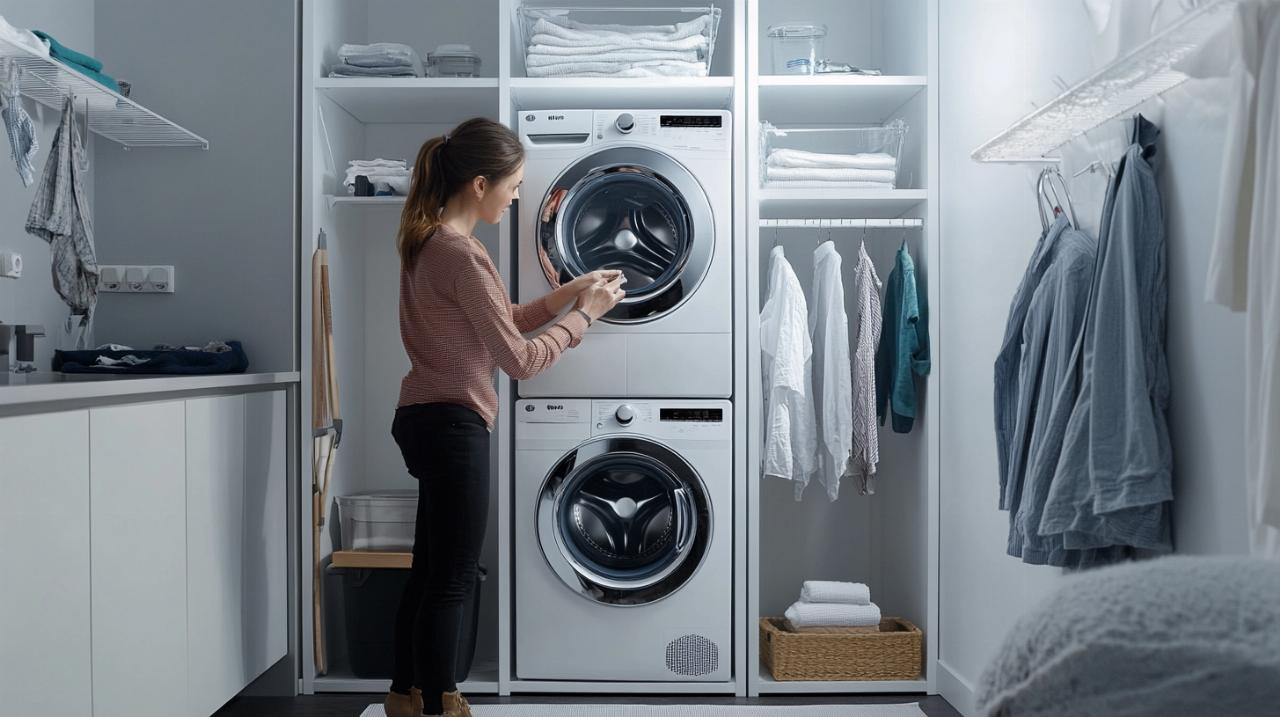
With your appliances prepared and your equipment at hand, the installation process can commence. Begin by carefully positioning the stacking kit onto the top surface of your washing machine. Most kits feature a non-slip base designed to prevent the dryer from shifting during operation, so ensure this component sits flush against the machine’s surface. Follow the manufacturer’s instructions to the letter, securing the kit using the provided screws and metal fixings. Do not be tempted to skip any steps or improvise with alternative fasteners, as the integrity of the installation depends on using components specifically designed for this purpose.
Once the kit is firmly attached, recruit your assistant and prepare to lift the dryer. Standard washing machines stand approximately eighty-five centimetres tall, so when stacked, the combined height will reach around one hundred and seventy centimetres. This elevation means you will need to lift the dryer to a considerable height, so plan your approach carefully. Grip the appliance securely, coordinate your movements with your helper, and lift in one smooth, controlled motion. Position the dryer onto the stacking kit, ensuring it is centred and aligned with the washing machine below. Many kits include safety straps or brackets that connect the two appliances together, providing an additional layer of security. Thread these straps through the designated mounting points and tighten them firmly, double-checking that all connections are secure before proceeding.
Ensuring stability and testing your stacked setup
After the dryer is in place and secured, take a moment to verify that everything is stable and properly aligned. Give the stacked unit a gentle but firm wiggle to test for any excessive movement. If the appliances rock or sway, recheck the tightness of all screws and brackets, and confirm that the washing machine remains level on the floor. It is also essential to ensure adequate ventilation clearance around both machines. Allow an extra fifty to eighty millimetres of space on each side to accommodate electrical cords and to facilitate proper air circulation, which helps prevent overheating and maintains optimal performance.
With the physical installation complete, reconnect the washing machine’s water supply and plug both appliances back into the mains. Slide the stacked unit into its designated position, ensuring that it does not sit flush against the wall but retains some clearance at the rear for hoses and cables. Before considering the job finished, run a test cycle on both machines. Start with a wash load to observe how the washing machine behaves, paying close attention to any unusual vibrations or sounds. Then, run a drying cycle to confirm that the dryer operates smoothly without causing the entire stack to shift or sway. If either machine exhibits excessive movement, stop immediately and reassess the installation, as this could indicate an issue with the stacking kit or an imbalance in the appliances.
Ongoing maintenance is vital to preserving the safety and functionality of your stacked setup. Check the screws and fixings every three to six months, tightening them as needed to compensate for any loosening caused by regular use. Regularly inspect the washing machine to ensure it remains level, as shifting over time can compromise stability. Avoid overloading either appliance, as excessive weight can generate vibrations that stress the stacking kit and reduce its lifespan. Distribute laundry evenly within the drums and select appropriate wash and dry programmes for the load. Keep filters and drains clean to maintain efficiency and prevent unnecessary strain on the machines. By adhering to these practices, you can enjoy the space-saving benefits of your stacked appliances for years to come, confident in the knowledge that you have installed them safely and correctly.