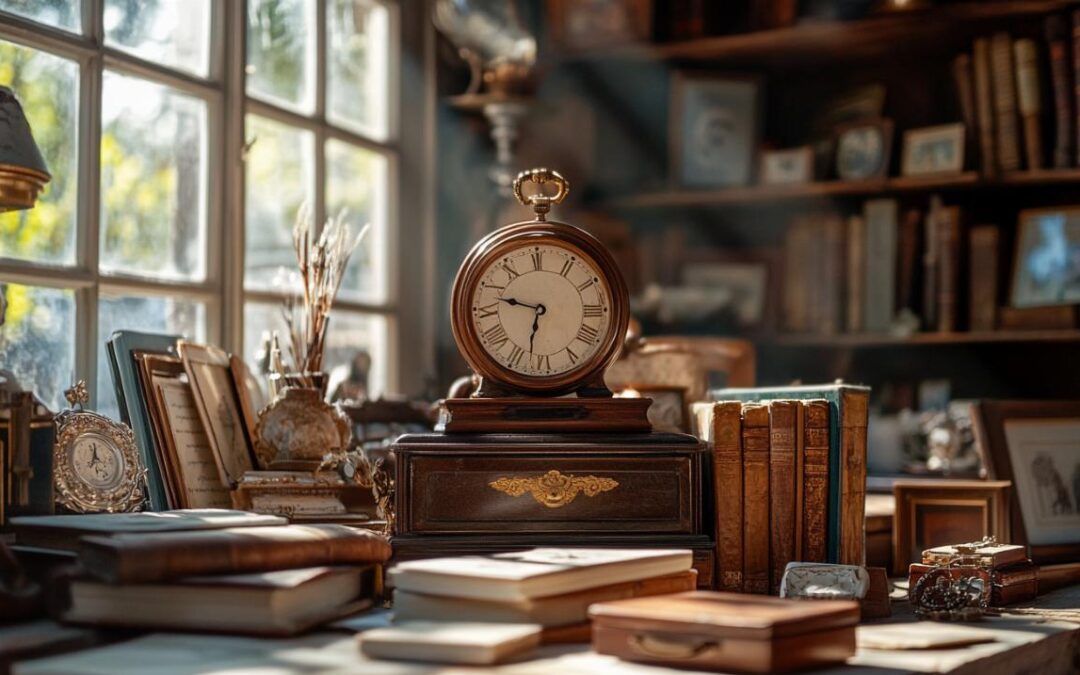
Every family possesses items passed down through generations, objects that carry whispers of the past and connect us to our ancestors. Some of these heirlooms may be tucked away in attics or displayed proudly on mantlepieces, yet their true worth often remains a mystery. Discovering the genuine value of these cherished possessions and learning how to honour them properly can transform your relationship with your family legacy, turning forgotten relics into celebrated treasures.
Recognising the Genuine Value of Your Family Heirlooms
Understanding whether your inherited items hold significant worth requires more than a casual glance. Many homes contain old objects that have been handed down over the years, and amongst these might be pieces that command considerable financial value or historical importance. The first step in this journey is to identify valuable family heirlooms by examining their characteristics carefully. Antique wooden furniture, for instance, can prove particularly valuable when it has been crafted with skill and dates from a recognised period such as the Art Deco or Victorian era. Pieces created by renowned designers like Charles Eames often fetch impressive sums at auction. Similarly, old books, especially first editions or signed copies, alongside musical instruments with provenance, can be worth a bob or two if they meet the right criteria.
Examining hallmarks, provenance, and authentication methods
When assessing potential treasures, certain markers serve as vital clues to authenticity and worth. Hallmarks on silver items are particularly telling; look for stamps such as 925 or Sterling, which indicate genuine sterling silver rather than plated pieces. Signed decorative items from prestigious makers like Tiffany & Co. carry additional cachet and command higher prices. Beyond these physical markers, the provenance of an item proves crucial. Documentation showing the history of ownership, travel, and use adds layers of value that transcend mere material worth. For example, a family Bible that journeyed from County Durham to South Africa before arriving in the United States carries a narrative that enriches its significance. Similarly, items like a whisky flask belonging to a coal miner who migrated from Airdrie, Scotland to the United States in 1851 become portals to understanding family history. Even the smallest details matter; a tiny plane crafted from a bullet casing by a soldier during the Great War, or sweetheart pin cushions from World War I, embody stories of survival and affection across wartime separation. Getting a professional valuation from an expert or auctioneer helps you understand the market properly, though remember they will take a commission if they sell the item for you. Before committing to a sale, research your items thoroughly, check for distinctive marks, and consult specialists to avoid getting done up like a kipper.
Understanding market demand and historical significance
The worth of an heirloom extends beyond its physical attributes to encompass rarity, condition, and historical context. Generally, items over one hundred years old attract greater interest from collectors and museums, though exceptions abound for particularly rare or culturally significant pieces from more recent decades. Vintage technology such as Singer sewing machines or Marantz amplifiers has developed dedicated followings, whilst certain tableware patterns like Blue Danube or Fostoria remain highly sought after. Even old gig tickets or costume jewellery can surprise you with their collectible appeal. Age alone does not guarantee value; the condition of an item plays an equally critical role. A well-preserved Victorian charm bracelet or a bone china tea set featuring a hidden Geisha design visible only when held to the light commands far more than damaged equivalents. Historical significance adds another dimension entirely. Military memorabilia from the First World War, including Anzac medals and summary documents detailing places visited during the conflict, connect us to pivotal moments in global history. Similarly, items that document social history, such as autograph books from the 1910s filled with sketches, poems, and signatures, or photographs capturing daily life during specific eras, offer invaluable insights into how our ancestors lived. Some old coins, particularly those with errors such as the 1957 Spanish 5 pesetas, can be worth thousands to collectors who prize these anomalies. When considering whether to sell, auction houses handle high-value items but involve commissions and time, whilst antique shops offer faster transactions, and online platforms allow you to manage sales yourself, albeit with added responsibility.
Transforming your heirlooms into cherished treasures
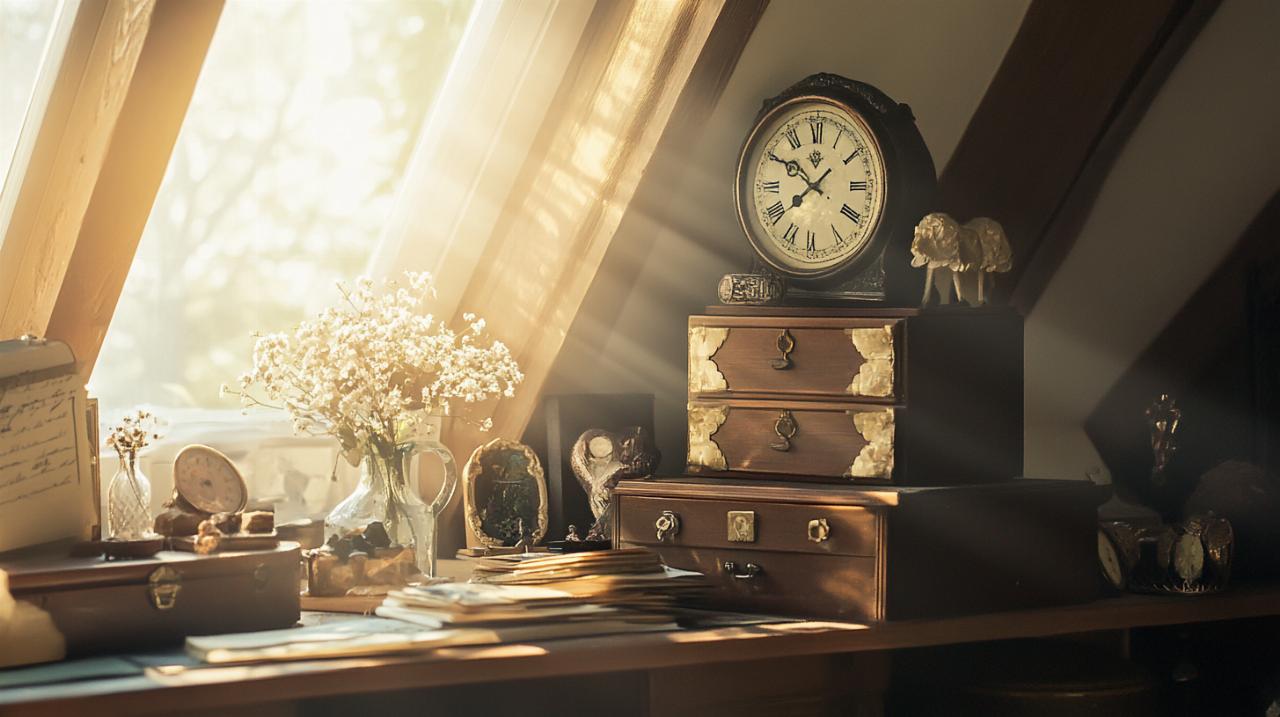
Once you have identified which family possessions hold value, the next chapter involves honouring these items appropriately. This process extends beyond financial considerations to encompass emotional and cultural dimensions. After all, the sentimental value of an heirloom often outweighs any monetary worth, and money is not everything, is it? The true treasure lies in preserving the stories these objects tell and ensuring they remain connected to your family narrative for future generations.
Proper restoration and preservation techniques
Caring for heirlooms demands thoughtful attention to their physical condition and the context they represent. Professional restoration can breathe new life into damaged furniture, textiles, or delicate items, but it must be approached carefully to maintain authenticity and avoid diminishing value. Quilts and samplers, for instance, require specialist textile conservation rather than ordinary cleaning methods. Stained glass pieces, such as replicas created by Marc Chagall, need appropriate environmental conditions to prevent deterioration. For everyday items like china and silver, regular but gentle use combined with proper storage often provides the best preservation. Using special china for daily meals rather than locking it away honours both the craftsmanship and the memory of those who originally treasured these pieces. Documentation forms another crucial aspect of preservation. Labelling items with details about their provenance, previous owners, and historical context ensures that future generations understand what they have inherited. Adding information about when and where you acquired vintage items, even those purchased rather than inherited, helps maintain continuity. In the digital age, printed photographs face particular vulnerability as families increasingly store images electronically, yet physical albums and framed pictures provide tangible connections that screens cannot replicate. Creating shadow boxes to display letters, photographs, and small memorabilia protects these fragile items whilst making them visible and appreciated. Recording oral histories from older relatives before it becomes too late captures the narratives that give heirlooms their deeper meaning, transforming objects into storytellers.
Creative Ways to Display and Honour Your Family Legacy
Integrating heirlooms into daily life rather than relegating them to storage celebrates your family legacy in meaningful ways. Furniture crafted by ancestors, such as tables made by cabinetmakers who also constructed coffins during harsh Wisconsin winters, or rocking chairs created by uncles in England before travelling to Canada, become functional art that bridges past and present. Displaying items creatively throughout your home keeps family history visible and relevant. A locket hand-painted by a twice great-aunt containing photographs of her grandfather and father who died in 1880 becomes a conversation piece when properly framed or placed in a display cabinet. Violins that belonged to three times great-grandfathers or paintings created by grandmothers deserve prominent positions where their beauty and history can be appreciated. Even practical items like crocheted table centres or vintage clothing such as jackets from Lebanon gain new life when thoughtfully incorporated into contemporary settings. For those dealing with inherited items that hold little personal significance, offering them to museums or libraries ensures they find appropriate homes where their historical importance can benefit wider audiences. Selling items through professional valuations and appropriate channels provides options for those who lack space or connection to certain pieces, allowing resources to be redirected whilst ensuring objects reach appreciative owners. The key principle remains focusing on items with personal or historical importance rather than keeping everything simply because it once belonged to family members. Creating comprehensive records, whether through labelled items, written histories, or compiled PDF books detailing heirloom stories, transforms scattered objects into coherent family narratives. This documentation might include details about a watch from around 1900 belonging to a great-grandmother, wedding cake toppers used in over forty family weddings, or jackets worn by grandmothers that capture the fashion and craftsmanship of their time. By preserving these stories and treating heirlooms with the respect they deserve, you ensure that family connections and emotional attachments endure across generations, turning inherited possessions into true treasures that enrich both present and future.