
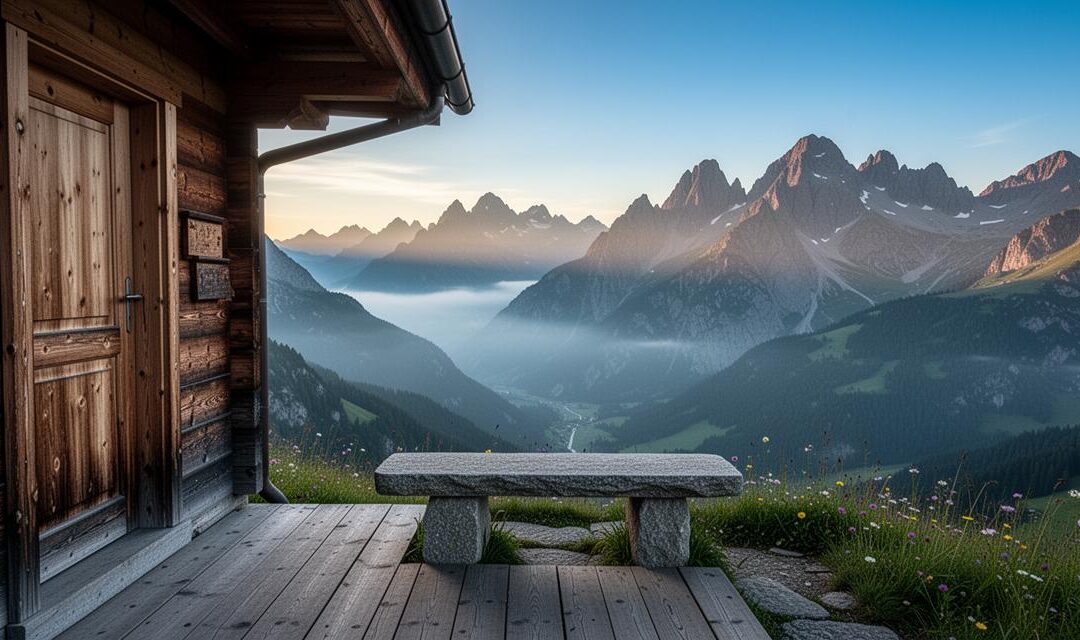
There is something quietly magical about pushing open a heavy wooden door after hours of climbing, only to find warmth, a hot bowl of soup, and strangers from three different countries swapping stories around a long table. This is the enduring appeal of the mountain refuge, a fixture of Alpine life that has sheltered travellers for centuries and continues to bring people together in the most unlikely of circumstances. From the Pyrenees to the Écrins and the Mercantour, these huts are far more than a roof over one’s head; they are meeting points where cultures collide gently, languages blend, and friendships form over shared meals and tired legs.
The essentials
- Mountain refuges in French national parks serve as vital community hubs where diverse travelers connect through shared experiences and a love for the outdoors.
- These shelters provide essential safety, rest, and logistical support for a wide range of visitors, from families with young children to experienced mountaineers.
- Refuge wardens act as key cultural ambassadors, offering expert mountain guidance while facilitating interaction between guests who speak different languages.
- The communal dining experience at long tables is a central feature that encourages strangers to bond over shared meals and mutual exhaustion.
- The physical logbooks kept in each hut preserve a rich history of cross-cultural encounters, captured through multilingual notes, sketches, and stories of camaraderie.
- Operating a mountain refuge requires complex logistics, including seasonal supply drops, and adherence to strict environmental regulations to protect the alpine ecosystem.
The Heart of Mountain Hospitality: Understanding Alpine Refuges in French National Parks
A refuge in the French Alps might range from a simple stone shelter to something closer to a small hotel, but its purpose remains constant: to offer safety, rest, and community to those exploring the high mountains. Whether you are on a multi-activity holiday combining walking with climbing and kayaking, or simply passing through on a long-distance trek, these huts punctuate the landscape at just the right intervals. They cater brilliantly to families, solo travellers, couples, and larger groups alike, and their appeal spans every season, from snowy winter ascents to golden autumn walks.
What Makes a Mountain Refuge Essential for Families and Hikers
For families venturing into the mountains for the first time, a refuge often provides the reassurance needed to attempt a multi-day walk. Many refuges are reachable within an hour’s walk from the nearest car park, making them accessible even to those with younger children or less experience on rocky terrain. Beyond the physical shelter, refuges offer a rare sense of community: shared dining tables, communal bunk rooms, and the gentle camaraderie that develops when everyone is equally exhausted and equally delighted to have arrived. Organisations such as Undiscovered Mountains have built entire networks connecting travellers with these huts, ensuring that whether someone fancies paragliding, trail running, or a gentle walk to admire wildlife, there is a refuge suited to their pace and ambition.
The guardian’s role: refuge wardens as cultural ambassadors
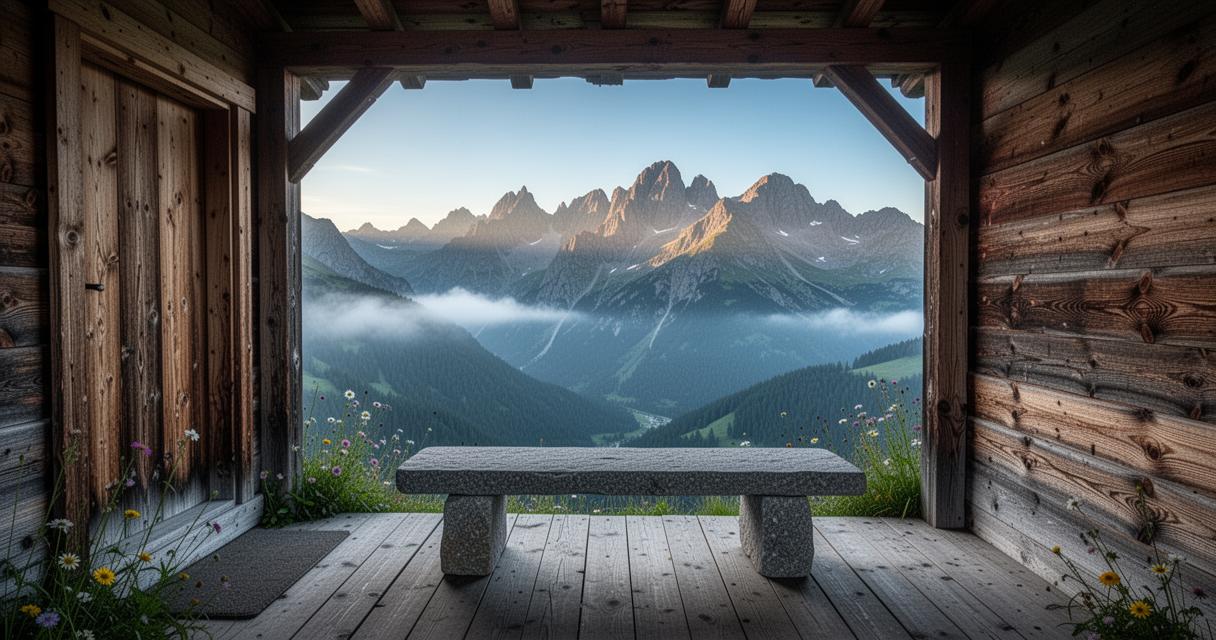
Behind every well-run refuge is a warden, often affiliated with the Club Alpin Français, who does far more than simply hand out blankets and check bookings. These guardians become storytellers, translators, and occasionally impromptu mediators between hikers who share no common language but plenty of goodwill. They know which peaks are safe to attempt the next morning, which trails have been washed out by recent rain, and precisely how much wine is appropriate to serve before an early start. Their presence transforms a simple night’s stay into something memorable, often becoming the highlight of a trip rather than a mere logistical necessity.
Tales from the Logbook: Cross-Cultural Encounters in the Pyrenees, Écrins, and Mercantour
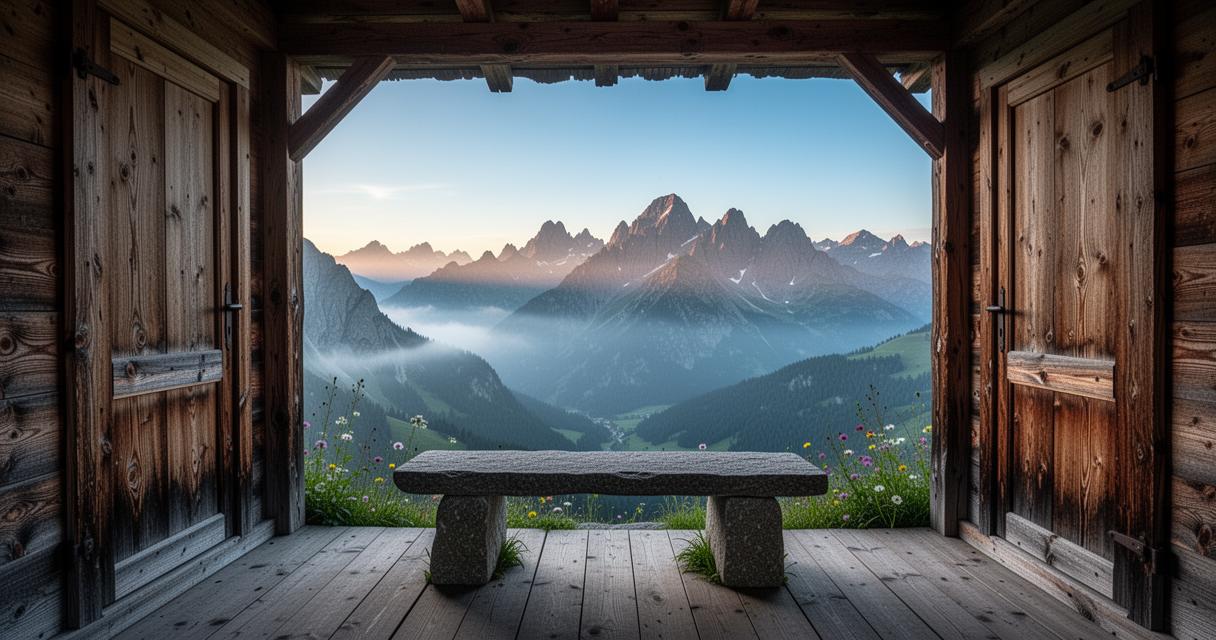
Every refuge keeps a logbook, and flicking through its pages reveals a wonderfully eclectic history of who has passed through. Entries scrawled in French, English, Spanish, German, and Italian sit side by side, often accompanied by sketches, jokes, or heartfelt thanks to the warden. These logbooks capture something rare: a genuine cross-section of humanity brought together purely by a shared love of the mountains. At the popular Refuge du Tourond, renowned for its warm dinners and hearty breakfasts, visitors frequently mention striking up conversations with fellow hikers they would never have met anywhere else, bonding over blistered feet and breathtaking views.
Shared meals and multilingual conversations: building bridges between wanderers
Dinner in a refuge is rarely a quiet affair. Long tables encourage strangers to sit together, and the simple act of passing a dish of stew or a jug of water often sparks conversation. At refuges such as Les Souffles, le Pigeonnier, and Vallonpierre, it is common to hear three or four languages spoken within a single meal, with gestures and laughter filling any gaps that vocabulary cannot. Refuge de L’École, meanwhile, has become something of a gathering point for climbers exchanging tips on nearby routes, regardless of their native tongue. These moments of connection, however brief, often leave a lasting impression far beyond the trip itself.
Memorable Entries: Stories of Connection Across Languages and Landscapes
Some logbook entries recount practical help, such as a shared torch battery or a spare pair of socks offered to someone in need. Others describe deeper connections: friendships formed over shared summits, or travellers who returned years later specifically to thank a warden who had once talked them through a difficult descent. These stories illustrate the quiet power of Alpine hospitality, where national parks become backdrops for genuine human warmth rather than mere scenic attractions.
Planning your alpine refuge experience: practical guidance for outdoor enthusiasts
Before setting off, it helps to understand how refuges operate, particularly regarding costs, bookings, and the practicalities of mountain living. Prices vary depending on the level of comfort offered, ranging from basic shelter to a fuller hotel-style service including dinner and breakfast. Reservations are strongly recommended during peak season, as popular huts fill quickly, especially those within well-known national parks. It is also worth noting the impressive logistics behind supplying these remote locations: at the start of each season, helicopters drop essential supplies, after which wardens and their teams carry goods manually to maintain stock throughout the months ahead.
Navigating tariffs, reservations, and national park regulations
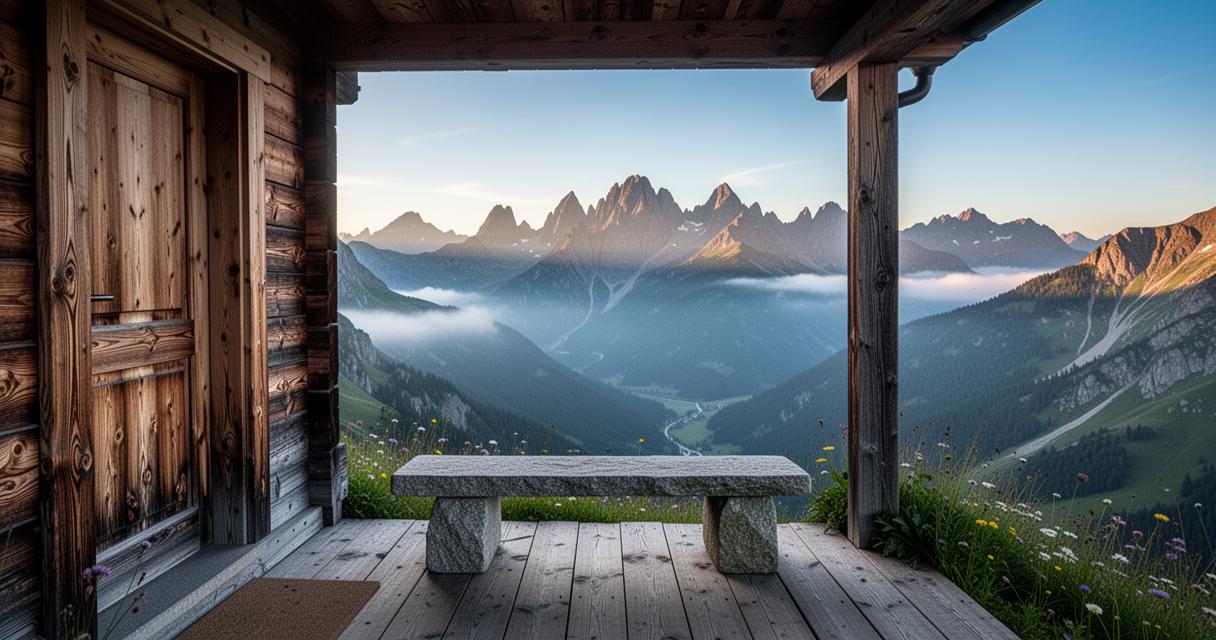
Refuges within national parks often follow specific regulations designed to protect the surrounding environment, including strict waste management practices and careful conservation of water and energy. Visitors are encouraged to respect these systems, understanding that every resource carried up the mountain has been transported at considerable effort. Booking ahead not only secures a bed but also helps wardens plan supplies accurately, ensuring a smoother experience for everyone.
Downloadable Resources: Your Complete Guide to Refuge Etiquette and Preparation
For those keen to prepare thoroughly, many refuge networks offer downloadable PDF guides covering everything from packing essentials to etiquette around shared dormitories and mealtimes. These resources often include practical advice on tariffs, seasonal opening dates, and recommended routes, making it far easier to plan a trip with confidence. For readers wanting further inspiration, publications such as the Fine Alpine Post offer engaging features on Alpine history, climbing chronicles, and lifestyle pieces exploring the blend of tradition and modern mountain living. Meanwhile, the newly released book Alpine Refuges, edited by gestalten and written by British adventurer and photographer Aaron Rolph, presents thirty remarkable projects showcasing the architecture and culture of mountain shelters across the Alps. With striking photography and thoughtful storytelling, it captures the very spirit explored here: refuges not simply as places to sleep, but as living spaces where cultures meet, stories are exchanged, and the mountains themselves seem to bring out the best in everyone who passes through their doors.