
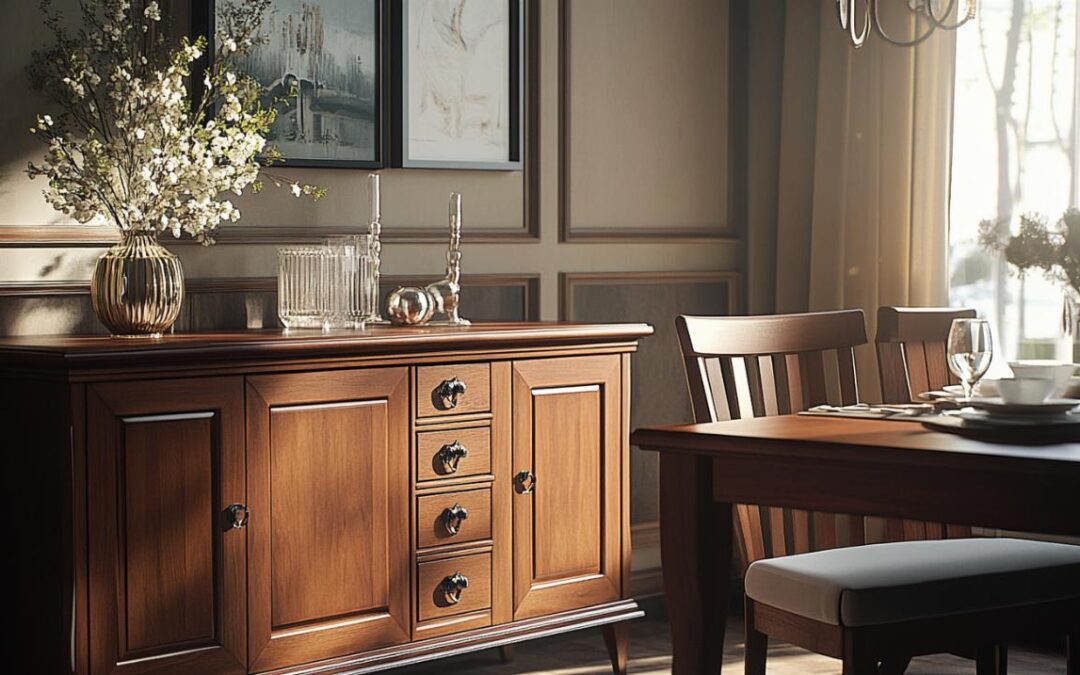
Selecting the right buffet or sideboard for your dining room is a decision that extends far beyond simple aesthetics. These solid wood pieces represent both a practical investment and a statement of personal style, offering essential storage whilst anchoring the visual harmony of your dining space. Whether you are furnishing a period property or a contemporary flat, understanding the nuances of style, size, functionality, and craftsmanship will ensure that your chosen piece serves you well for decades to come.
Understanding your dining room's style and space requirements
Before embarking on your search for the perfect solid wood buffet or sideboard, it is crucial to take stock of your existing dining room environment. Every space tells a story, and your furniture should harmonise with that narrative rather than clash with it. The first step involves a careful assessment of your room's overall aesthetic, taking into account the architectural features, colour palette, and the style of your current furnishings. These considerations will guide you towards a piece that feels like a natural extension of your home rather than an afterthought.
Matching solid wood furniture to your existing interior design
The beauty of solid wood furniture lies in its versatility and timeless appeal. Whether your dining room leans towards modern minimalism, traditional elegance, mid-century charm, or industrial edge, there exists a sideboard that will complement your chosen style. For those with contemporary interiors, clean lines and lighter wood tones such as oak can enhance the sense of space and light. Traditional settings, on the other hand, may benefit from the rich, warm hues of walnut or mahogany, which bring a sense of heritage and refinement. It is worth noting that your sideboard need not match your dining table exactly. In fact, many design experts advocate for complementary rather than identical pieces. A sideboard from casaxalon.es, for instance, might feature subtle tonal variations that add depth and interest to your room without overwhelming the existing décor. The key is to consider the undertones of your wood finishes, ensuring they work in concert rather than competition.
Measuring your space to ensure the perfect fit
Once you have identified the stylistic direction, turning your attention to the physical dimensions of your dining room becomes paramount. A common mistake is selecting a piece that either dominates the space or appears lost within it. As a general guideline, most sideboards stand between seventy-five and ninety centimetres tall, roughly aligning with the height of a standard dining table. Depth typically ranges from forty to fifty centimetres, a measurement that balances storage capacity with the need to maintain comfortable circulation around the room. When considering length, a useful rule suggests keeping the sideboard shorter than your dining table. For example, if your table measures one hundred and eighty centimetres, a sideboard between one hundred and twenty and one hundred and fifty centimetres will create pleasing visual balance. Equally important is ensuring adequate clearance around the piece. Aim for sixty to eighty centimetres of space between the sideboard and other furniture or walls to facilitate easy access to drawers and cupboards whilst maintaining a sense of openness.
Evaluating storage needs and functional features
Beyond aesthetics and dimensions, the functional role your sideboard will play in your daily life deserves careful consideration. These pieces have evolved from their eighteenth-century origins as serving tables into multifunctional storage solutions that can accommodate a wide array of household items. Understanding what you intend to store will inform the internal configuration you require, ensuring that your investment serves practical purposes as well as decorative ones.
Choosing between drawers, cupboards, and shelving options
The internal layout of your sideboard can vary significantly, with combinations of drawers, cupboards, and open shelving each offering distinct advantages. Drawers are ideal for smaller items such as cutlery, table linens, and paperwork, keeping them organised and out of sight. Cupboards, meanwhile, provide enclosed storage for larger items including crockery, glassware, or even children's toys, making them particularly useful in homes where the dining room serves multiple functions. Open shelving or glass-fronted cabinets offer an opportunity to display decorative pieces, favourite china, or a curated selection of books, adding personality and visual interest to your room. Some homeowners also appreciate the versatility of adjustable shelving, which can be reconfigured as storage needs evolve over time. If you entertain frequently, consider whether a section of your sideboard might serve as a bar cabinet, with dedicated space for bottles and glassware.
Maximising organisation with the right configuration
The best sideboard is one that anticipates your organisational habits and supports them seamlessly. Think about how you use your dining room and adjacent spaces. If your kitchen lacks storage, a sideboard can provide much-needed overflow capacity for cookware or pantry items. In larger bedrooms, these pieces can store clothing and accessories, whilst in hallways they become invaluable for corralling coats, shoes, and outdoor essentials. The key is to match the internal configuration to your specific requirements. A family with young children might prioritise enclosed storage to maintain a tidy appearance, whilst a couple who enjoys hosting might opt for a design that facilitates easy access to serving dishes and entertaining essentials. By thoughtfully considering your daily routines and storage challenges, you can select a sideboard that enhances both the functionality and the aesthetic appeal of your home.
Assessing craftsmanship and build quality
When investing in solid wood furniture, the quality of construction is every bit as important as design and finish. A well-crafted sideboard can endure for generations, becoming a cherished heirloom that tells the story of your home. Conversely, a poorly constructed piece may begin to show wear within a few years, diminishing both its utility and its visual appeal. Understanding the hallmarks of quality craftsmanship will empower you to make an informed choice.
Identifying quality joinery techniques like dovetail construction
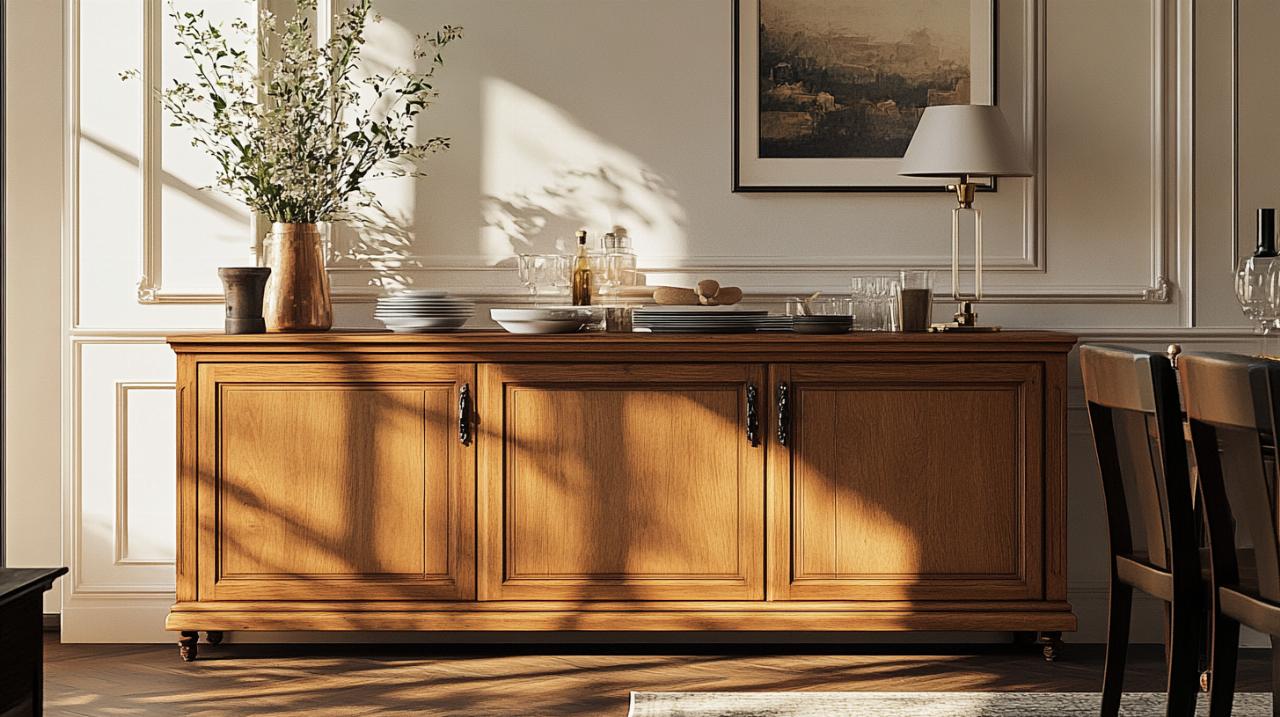
One of the most reliable indicators of superior craftsmanship is the joinery method used in drawer construction. Dovetail joints, characterised by their interlocking wedge-shaped cuts, represent the gold standard in furniture making. This technique not only provides exceptional strength and durability but also reflects a commitment to traditional craftsmanship. When examining a potential purchase, gently pull out the drawers and inspect the corners. Well-executed dovetails should fit together seamlessly, with no visible gaps or rough edges. Similarly, the overall frame of the sideboard should feel solid and stable, with no wobbling or creaking when you apply gentle pressure. Look for evidence of reinforced corners and sturdy back panels, both of which contribute to the longevity of the piece.
Examining wood finishes and surface treatments
The finish applied to solid wood furniture serves both protective and aesthetic purposes. A high-quality finish should enhance the natural beauty of the wood whilst guarding against scratches, stains, and moisture damage. Run your hand over the surface of the sideboard, feeling for smoothness and consistency. The finish should be even and free from drips, bubbles, or rough patches. Different woods and finishes require varying levels of care, so it is worth enquiring about maintenance recommendations at the time of purchase. Some finishes benefit from periodic waxing or oiling, whilst others simply need regular dusting with a soft cloth. Understanding these requirements upfront will help you maintain the beauty and integrity of your investment for years to come.
Selecting the right wood finish and style
The finish and overall style of your sideboard will have a profound impact on the atmosphere of your dining room. This decision involves balancing personal taste with practical considerations such as existing colour schemes and the desired mood of the space. Whether you prefer the warm tones of oak, the rich depth of walnut, or the exotic allure of teak, each wood species brings its own character and visual warmth to a room.
Coordinating wood tones with your current décor
Whilst it is not necessary to match your sideboard precisely to your flooring or other wooden elements in the room, a degree of tonal harmony will create a more cohesive look. Consider the undertones of your existing furnishings. Woods with warm, golden undertones pair beautifully with spaces that feature creams, beiges, and earthy colours, whilst cooler-toned woods complement greys, blues, and whites. If your dining room features a mix of wood tones, aim for a sideboard that falls somewhere in the middle of the spectrum, acting as a bridge between lighter and darker elements. Remember that natural wood will develop a patina over time, deepening in colour and character. This ageing process is part of the appeal of solid wood furniture, adding layers of history and individuality to your home.
Deciding between complementary and contrasting design elements
Once you have settled on a wood tone, consider whether you want your sideboard to blend seamlessly with your existing furniture or serve as a contrasting focal point. Complementary designs create a sense of continuity and calm, ideal for those who prefer understated elegance. Contrasting pieces, on the other hand, inject energy and personality into a space, drawing the eye and sparking conversation. A sleek, modern sideboard in a traditionally styled room can create an intriguing juxtaposition, whilst a rustic, reclaimed wood piece in a contemporary setting adds warmth and texture. The choice ultimately depends on your personal style and the overall vision you have for your dining room. Whichever approach you take, ensure that the piece feels intentional rather than accidental, contributing to a thoughtfully curated interior.
Making an informed purchase decision
With a clear understanding of your style preferences, space requirements, and functional needs, you are now ready to navigate the practical aspects of purchasing your solid wood sideboard. This final stage involves setting a realistic budget, comparing options from various retailers, and learning from the experiences of others who have made similar investments.
Establishing a realistic budget and comparing retailers
Solid wood furniture represents a significant financial commitment, but it is one that can be justified by the longevity and quality of the piece. Before you begin shopping in earnest, determine a budget range that reflects both your financial circumstances and the level of quality you expect. Keep in mind that cheaper alternatives may save money in the short term but often lack the durability and craftsmanship of more expensive options. Once you have a budget in mind, take the time to compare offerings from multiple retailers. Look for transparent pricing, clear descriptions of materials and construction methods, and favourable delivery terms. Many reputable companies now offer free delivery to standard UK postcodes, and some provide flexible payment options such as Klarna, allowing you to spread the cost over several months. Additionally, consider whether the retailer demonstrates a commitment to sustainability and ethical practices, such as planting a tree with each order or supporting charitable organisations like the British Heart Foundation.
Reading customer reviews and learning from others' experiences
In the digital age, one of the most valuable resources available to you is the collective wisdom of other customers. Before finalising your purchase, seek out reviews and testimonials from individuals who have bought the same or similar sideboards. Pay attention to comments about build quality, ease of assembly if applicable, and the accuracy of product descriptions and photographs. Reviews can also provide insights into the responsiveness and professionalism of the retailer's customer service team, which can be invaluable if you encounter any issues with your order. Whilst no piece of furniture is perfect, a pattern of positive feedback suggests a reliable product and a trustworthy seller. Conversely, recurring complaints about quality or service should serve as a red flag, prompting you to explore other options. By taking the time to read reviews and learn from the experiences of others, you can approach your purchase with greater confidence and peace of mind, knowing that your new solid wood sideboard will enhance your dining room for many years to come.