
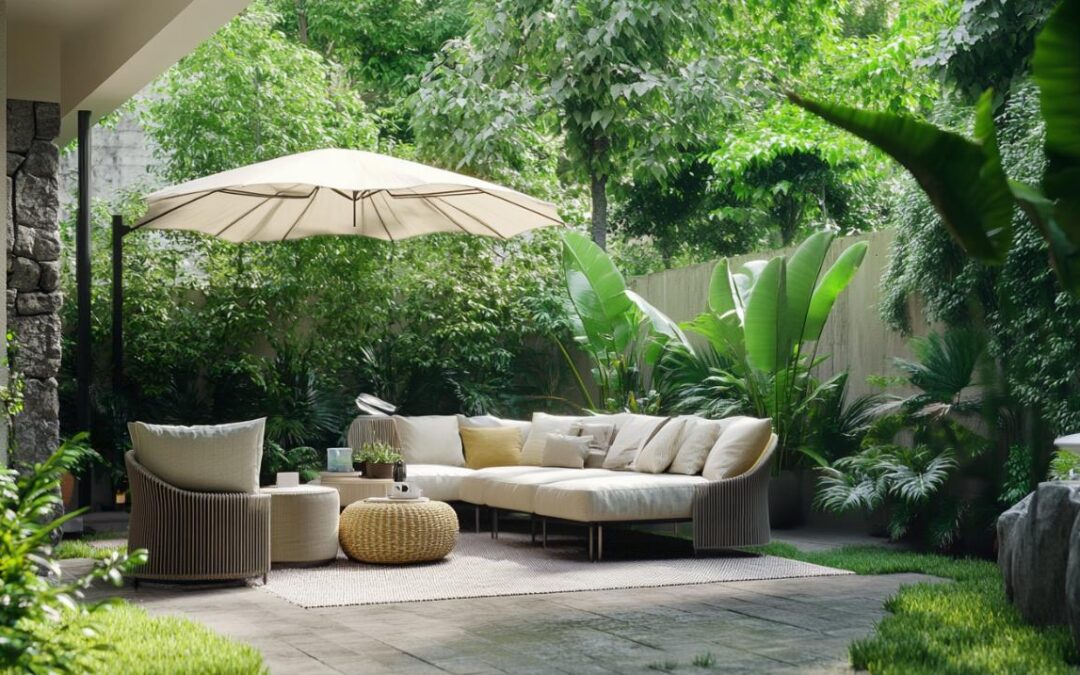
Garden furniture transforms outdoor spaces into extensions of our homes, offering a retreat for relaxation and entertaining. Yet the unpredictable British climate poses a constant challenge to maintaining these cherished pieces. Rain, relentless UV rays, and fluctuating temperatures can wreak havoc on even the sturdiest chairs and tables. Understanding how to safeguard your investment ensures your outdoor sanctuary remains inviting year after year. Whether you have a modest balcony set or an elaborate patio arrangement, implementing effective protection strategies will preserve both aesthetics and functionality. The outdoor furniture market continues to expand, with expectations of nearly six percent annual growth through to 2030, reflecting our collective desire to maximise outdoor living despite weather constraints. Seasonal care routines and thoughtful material choices form the foundation of successful furniture preservation, allowing you to enjoy your garden regardless of what the skies deliver.
Shielding Your Garden Furniture from the Elements
Protection begins with physical barriers against the weather. Furniture covers serve as the first line of defence, acting rather like waterproof jackets for your chairs and tables. Quality weatherproof covers prevent rain penetration whilst allowing adequate ventilation to discourage condensation and mould formation. When selecting covers, ensure they fit snugly without being overly tight, as proper airflow remains crucial. Many homeowners find that investing in bespoke covers tailored to specific pieces offers superior protection compared to generic alternatives. During particularly harsh weather or throughout the autumn and winter months, relocating furniture to sheltered areas provides enhanced safeguarding. Garden sheds, garages, or even covered verandas offer excellent sanctuaries where pieces remain accessible yet protected. For those without substantial storage facilities, creating a designated corner beneath a porch or patio cover can suffice. The key lies in elevating furniture off the ground using small feet or stands, which prevents direct contact with standing water that can cause rotting or rust. Resources like fincaslavila.es offer valuable insights into various protective solutions and seasonal maintenance approaches. Permanent structures such as patio covers and verandas represent more substantial investments but deliver all-year-round protection, transforming outdoor spaces into usable areas regardless of weather conditions. Acrylic plastic covers provide transparent protection that maintains aesthetic appeal whilst shielding furniture from rain and UV damage. These made-to-measure solutions prove particularly effective for oddly shaped pieces or custom arrangements. For occasional protection, lightweight polycarbonate sheets can be positioned over dining sets during unexpected downpours, offering flexibility without permanent installation.
Weatherproof covers and storage solutions
Comprehensive coverage strategies extend beyond simple fabric throws. Modern outdoor furniture covers utilise advanced materials that resist water whilst remaining breathable, preventing the trapped moisture that leads to mildew. Many feature reinforced corners and securing straps to withstand strong winds common across British gardens. Seasonal storage routines significantly extend furniture lifespan. As autumn approaches, thoroughly clean all pieces before storing them in dry locations such as sheds or greenhouses. These structures provide excellent environments, protecting furniture from frost damage and excessive moisture exposure. Plastic sheds offer maintenance-free alternatives that assemble quickly and resist the very weather they shelter items from. Converting unused spaces like garden corners or under-stair areas into furniture repositories maximises available storage. DIY enthusiasts might repurpose old plastic boxes into weatherproof storage units, creating budget-friendly solutions for cushions and smaller decorative pieces. Soft furnishings particularly benefit from indoor storage, as fabrics quickly deteriorate when exposed to prolonged dampness. Even brief rain exposure can initiate mould growth, especially during Britain's wetter months. March 2023 proved exceptionally wet, recording the highest rainfall in over four decades and demonstrating how quickly weather patterns can shift. Such conditions resulted in a sixty-three percent drop in searches for sun loungers, illustrating the direct impact weather has on outdoor furniture usage. Preparation for these inevitable damp spells prevents costly replacements and maintains your garden's visual appeal throughout the year.
Selecting weather-resistant materials
Material choice fundamentally determines how well furniture withstands environmental challenges. Hardwoods like teak and acacia naturally resist moisture and insect damage, making them superb options for British gardens. These timbers contain oils that repel water, though maintaining that honey-gold appearance requires periodic treatment with teak oil. Three coats applied annually preserve the wood's protective qualities and aesthetic warmth. Metal furniture offers durability but requires vigilance against rust formation, which manifests as red, black, or white deposits on surfaces. Aluminium provides rust-resistant benefits whilst remaining lightweight and easy to reposition. Treated wicker or rattan effect furniture combines traditional aesthetics with modern weather resistance, though these pieces benefit from sponge cleaning with warm soapy water rather than aggressive pressure washing. Plastic furniture has evolved considerably, with contemporary designs offering style alongside practicality. High-quality plastics resist fading and cracking, tolerating both intense sunlight and heavy rainfall. Acrylic plastic proves particularly robust, being stronger than glass whilst remaining transparent for decorative purposes. Polycarbonate serves well in garden building projects, offering structural integrity combined with weather resistance. When selecting furniture, consider your specific climate conditions. Average annual rainfall reaches eight hundred and eighty-five millimetres in London, yet exceeds two thousand five hundred millimetres in parts of Scotland and Wales. Such regional variations demand tailored approaches to material selection. Coastal locations require additional rust prevention measures for metal pieces, whilst sheltered urban gardens might prioritise UV protection over waterproofing. Understanding these nuances enables informed purchasing decisions that align with your environmental conditions and maintenance capacity, ultimately reducing long-term upkeep demands whilst maximising furniture longevity.
Maintaining and treating your outdoor pieces
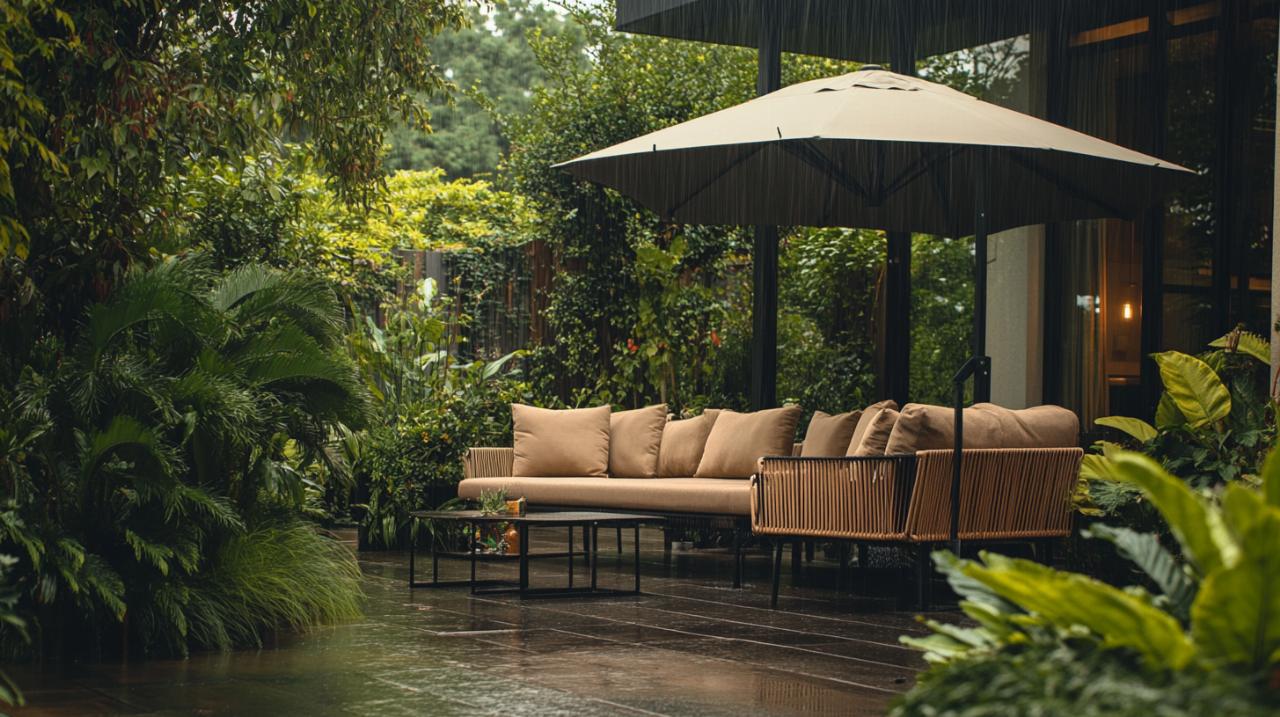
Regular maintenance routines prevent minor issues from escalating into significant damage. Cleaning garden furniture at least twice annually, particularly at the beginning and end of the spring and summer seasons, removes accumulated dirt and prevents staining. Hot soapy water paired with a soft brush or cloth effectively tackles most grime without damaging surfaces. Pressure washers offer efficient cleaning for hardwood, metal, and plastic furniture when used on lower pressure settings, though caution remains necessary around glass elements. For rattan effect pieces, gentler sponge cleaning prevents damage to intricate weaves. Stubborn stains on plastic furniture respond well to white vinegar or baking soda applications, natural solutions that avoid harsh chemical damage. Always lift furniture when repositioning rather than dragging pieces across paving or decking, as this prevents scratches and structural stress. Immediate attention to any damage prevents deterioration, whether addressing a loose screw or treating a minor scratch before moisture penetrates. Never allow furniture to sit in accumulated water, as prolonged exposure leads to warping, rust, or rot depending on the material. Protective clothing during cleaning sessions safeguards against splinters and chemical irritants, ensuring maintenance remains safe as well as effective. These straightforward practices, performed consistently, dramatically extend furniture lifespan whilst maintaining appearance and functionality throughout seasons of use.
Proper cleaning and wood treatment techniques
Wooden furniture demands particular attention to preserve its natural beauty and structural integrity. Exterior wood treatments come in various formulations, each serving distinct purposes. Exterior wood varnish creates a protective barrier against water penetration whilst retaining the timber's original colour, typically requiring one to two coats annually for optimal protection. Exterior wood stain simultaneously adds colour and shields against elemental damage, with applications lasting up to ten years depending on product quality and exposure levels. Exterior wood oil nourishes dried timber, feeding the grain whilst protecting surfaces, and generally requires annual application. Exterior wood preservatives restore older furniture or safeguard new pieces, applied once yearly for consistent protection. Teak and acacia benefit especially from dedicated teak oil treatments, which maintain their characteristic warm tones and enhance natural water resistance. Application techniques matter considerably. Ensure wood surfaces are clean and completely dry before applying any treatment, working in moderate temperatures away from direct sunlight to allow proper absorption. Apply products following grain direction using quality brushes or lint-free cloths, building thin layers rather than single heavy coats. Multiple thin applications penetrate more effectively than thick single coats, which can remain tacky or peel prematurely. Allow adequate drying time between coats as specified by manufacturers, typically twenty-four hours though conditions affect this. Seasonal timing influences treatment success; spring applications before heavy use periods provide fresh protection, whilst autumn treatments prepare furniture for winter storage. Regular inspection identifies areas requiring attention before damage becomes extensive, maintaining furniture in pristine condition with minimal intervention over years of service.
Caring for Cushions and Preventing Water Damage
Soft furnishings enhance comfort but require dedicated care to prevent deterioration. Cushions should be washed at least annually using mild detergent, removing accumulated dust, pollen, and potential allergens. Protecting upholstery from direct sunlight prevents fading, which diminishes aesthetic appeal and weakens fabric fibres over time. During rainfall, promptly bringing cushions indoors prevents mould development, a common issue in Britain's damp climate. Should mould appear, a solution combining equal parts water and white vinegar effectively removes spores without harsh chemicals. Never use bleach on rattan or fabric elements, as it causes cracks and irreversible damage. Water-resistant cushion covers provide additional protection, allowing spontaneous outdoor use without constant monitoring of weather conditions. These covers permit rain to bead and run off rather than saturating padding, significantly extending cushion lifespan. Storage solutions for soft furnishings need not be elaborate; simple plastic boxes kept in sheds or under stairs suffice for seasonal storage. Ensuring cushions are completely dry before storage prevents mildew formation in confined spaces. Metal furniture requires specific attention to prevent rust formation, which compromises both appearance and structural integrity. Regular inspection identifies early rust deposits, which remove easily with liquid treatments or fine steel wool. Once clean, polishing metal surfaces with car wax creates a water-resistant barrier that repels moisture and simplifies future cleaning. These preventative measures prove far simpler than addressing advanced corrosion, which may necessitate professional restoration or replacement. Combining material-specific care with general maintenance practices creates comprehensive protection strategies that preserve your outdoor furniture investment through countless seasons of British weather, ensuring your garden remains an inviting retreat whatever the forecast delivers.