
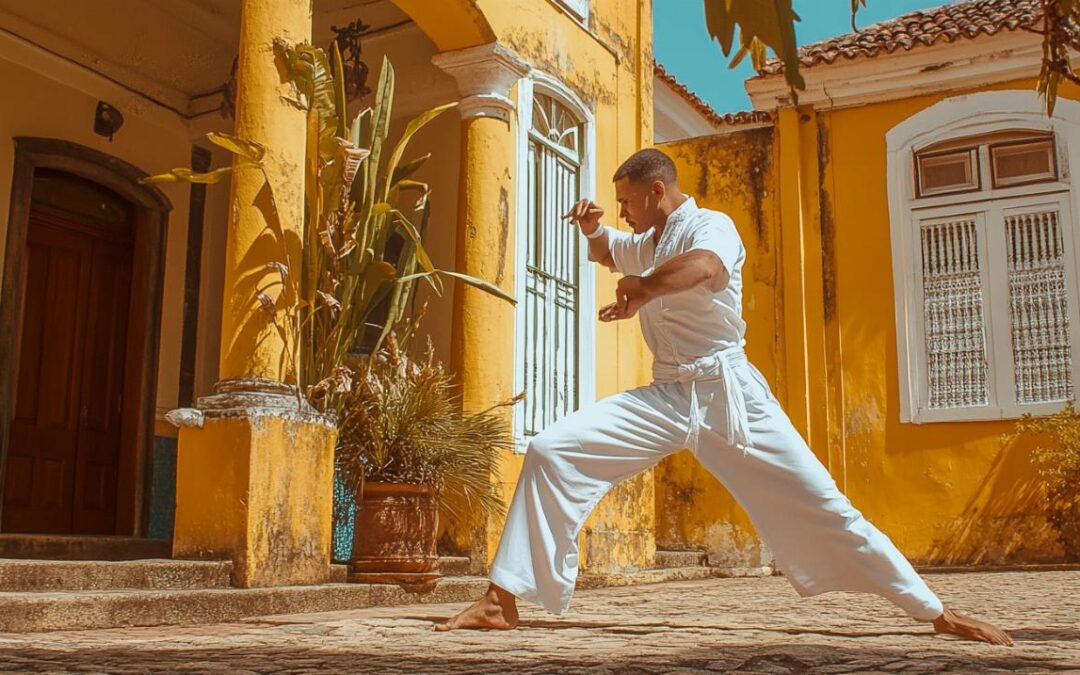
In the winding streets of Salvador, where history breathes through every corner, a remarkable story unfolded over decades. It is a tale not merely of one man's devotion to an art form, but of the students and followers who recognised something sacred in his teachings and vowed to protect it from dilution and erasure. This narrative concerns the preservation of a deeply rooted cultural practice, one that carries within it the echoes of African heritage, resistance, and identity. The disciples of Vicente Ferreira Pastinha became more than learners; they became custodians of a philosophy that refused to bend to commercial pressures or cultural whitewashing.
The legacy left behind: understanding pastinha's philosophy
The foundational principles of capoeira angola
Vicente Ferreira Pastinha, widely known as Mestre Pastinha, was born in 1889 and began his journey into capoeira at the tender age of eight under the tutelage of Benedito. By the time he reached his late eighties, he had devoted an astonishing 81 years to the practice, embodying a lifetime of knowledge and experience. His approach to Capoeira Angola was fundamentally different from other forms that emerged over time. Where some sought to modernise or adapt the art to suit broader audiences, Pastinha insisted on maintaining its traditional essence. He believed that capoeira was not merely a physical discipline but a complete philosophy, a way of seeing the world that encompassed strategy, respect, and a profound connection to African roots. Jorge Amado, the celebrated writer, aptly described him as the guardian of capoeira de Angola, recognising his role as a protector of something far greater than individual achievement.
Pastinha's teachings emphasised the ritualistic and communal aspects of the practice. The roda, the circle where capoeiristas engage, was sacred space where hierarchies dissolved and players communicated through movement, music, and song. His academy, established in 1942, became a haven for those who wished to learn this authentic form. However, his later years were marked by hardship. By 1978, he had been blind for 15 years and without a capoeira academy for a decade, having been relocated in 1967 due to the restoration of Pelourinho. Despite receiving a modest pension from Salvador town hall, his circumstances remained difficult. Yet, his vision persisted through those he had trained, who understood that the art form carried within it a lineage that must not be broken.
Pastinha's approach to preserving african heritage through movement
Central to Pastinha's philosophy was the unwavering commitment to the African heritage embedded in Capoeira Angola. He viewed the practice as a living testament to the experiences of enslaved Africans in Brazil, a form of resistance and cultural preservation that had survived centuries of oppression. This perspective was not simply academic; it was lived and breathed in every movement, every song, and every interaction within the roda. Pastinha rejected any attempt to strip capoeira of its cultural context or to present it as mere entertainment. For him, the art was inseparable from its history, and to dilute that connection was to betray those who had fought to keep it alive.
This commitment to authenticity extended to the music and rituals that accompanied the physical practice. The berimbau, the pandeiro, and the atabaque were not just instruments but voices that spoke of struggle, joy, and community. The songs sung in the roda recounted stories, offered lessons, and connected practitioners to their ancestors. Pastinha understood that to preserve Capoeira Angola was to preserve a worldview, one that honoured complexity, strategy, and the wisdom of those who came before. His insistence on these principles laid the groundwork for future generations to continue the work of cultural preservation, even in the face of forces that sought to commercialise or alter the practice beyond recognition.
The devoted disciples: key students who carried the torch
Early Generations and Their Role in Maintaining Authenticity
When Pastinha passed away, he entrusted the continuation of his legacy to Joao Pequeno, one of his most dedicated students. This act of passing the torch was symbolic of the deep bonds formed within the practice and the recognition that Capoeira Angola required guardians who would not compromise its integrity. Joao Pequeno, along with others who had trained directly under Pastinha, became the bridge between the old master and future practitioners. They carried forward not only the physical techniques but also the philosophy and spirit that defined the art form. Their role was crucial in a period when capoeira faced significant challenges, including pressure to modernise and adapt to changing social and political landscapes.
During the Brazilian dictatorship from 1964 to 1984, Capoeira Angola experienced a decline. The authoritarian regime did not favour cultural practices that celebrated African heritage and resistance, and as a result, many traditional forms struggled to survive. The students of Pastinha, however, remained steadfast. They continued to teach, to hold rodas, and to pass on the knowledge they had received. Their perseverance ensured that when the political climate eventually shifted, there was a foundation upon which to rebuild and expand. These early generations understood that their responsibility extended beyond personal mastery; they were the keepers of a tradition that had survived slavery, repression, and marginalisation.
Modern guardians spreading the angola tradition worldwide
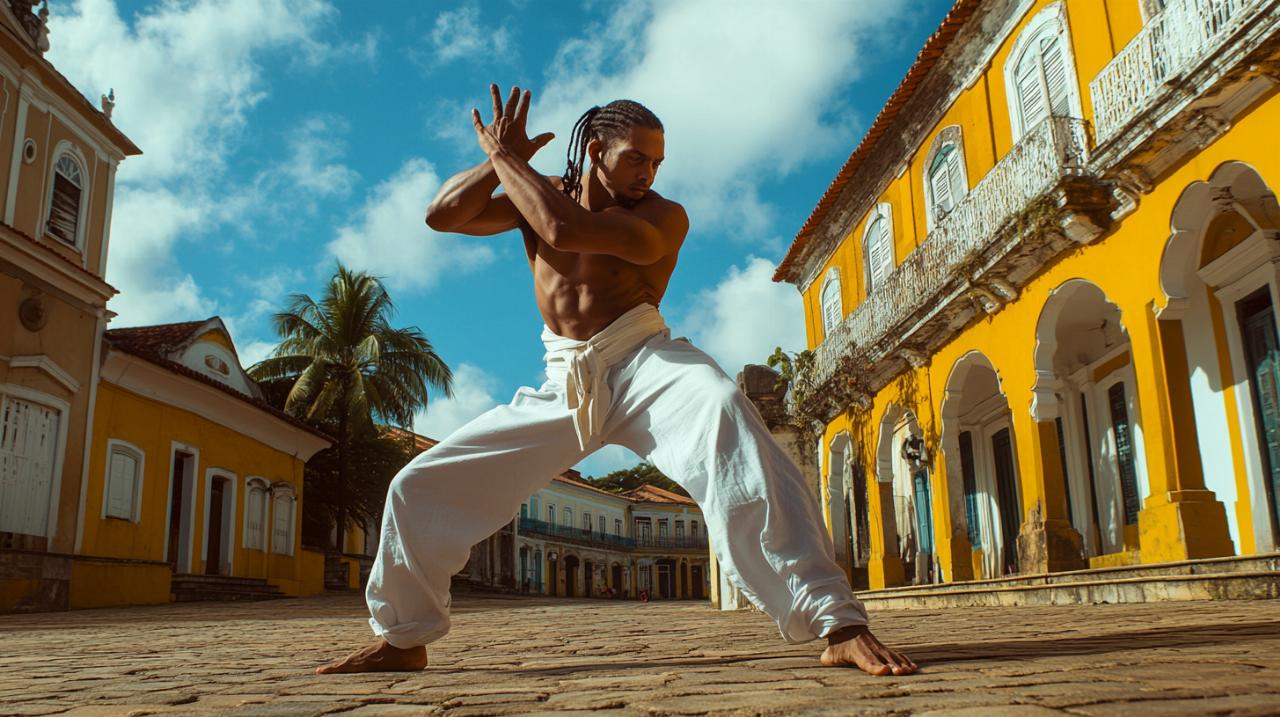
Among the most prominent figures in the modern preservation and dissemination of Capoeira Angola is Mestre Moraes, born Pedro Moraes Trindade on February 9, 1950, on Ilha de Maré. His journey into capoeira began at the age of seven, and by the time he was ten, he was training at Mestre Pastinha's academy. Moraes brought a unique perspective to the practice, holding a degree in Vernacular Letters with English, a Master's Degree in Social History, and a Doctorate in Culture and Society. His academic background complemented his practical knowledge, allowing him to articulate the cultural and historical significance of Capoeira Angola in ways that resonated with diverse audiences.
In 1980, Moraes founded Grupo Capoeira Angola Pelourinho, known as GCAP, with the explicit goal of preserving the traditional African roots of the practice. GCAP became a powerful force in the capoeira community, advocating for the inclusion of African and Afro-Brazilian traditions and establishing connections with Black Power movements. Moraes has been outspoken in his criticism of the whitening of the art form, arguing that attempts to strip capoeira of its cultural context represent a form of erasure. His work as a teacher of English and Portuguese in Bahia's public education system for many years allowed him to reach young people and instil in them a sense of pride in their heritage.
The influence of Moraes extended beyond Brazil. In the mid-1980s, he and Contra-Mestre Cobra Mansa played a pivotal role in convincing Mestre Joao Grande to return to active practice in Capoeira Angola, revitalising the community and inspiring a new generation of practitioners. Moraes' commitment to cultural preservation was further recognised when one of his CDs, brincando na roda, received a Grammy Award nomination in 2004. Today, he resides in Salvador, Bahia, where he continues to direct GCAP, providing training to children and older students alike. His work exemplifies the ongoing effort to ensure that Capoeira Angola remains true to its origins whilst adapting to contemporary realities.
Challenges and Triumphs in Preserving an Authentic Art Form
Navigating commercialisation whilst honouring traditional values
The modern world presents both opportunities and threats to traditional cultural practices. Capoeira Angola, like many art forms rooted in marginalised communities, has faced the dual pressures of commercial exploitation and cultural appropriation. As capoeira gained international recognition, there were those who sought to market it as an exotic fitness trend or a form of entertainment divorced from its historical and cultural context. This commodification posed a significant challenge to those committed to preserving the art's authenticity. The guardians of Pastinha's vision had to find ways to share capoeira with the world without allowing it to be stripped of its meaning.
One of the key strategies employed by figures like Mestre Moraes was education. By teaching the history, philosophy, and cultural significance of Capoeira Angola alongside the physical techniques, they ensured that new practitioners understood what they were engaging with. This approach helped to build a global community of capoeiristas who respected the art form's origins and were committed to honouring its traditions. However, the tension between accessibility and authenticity remains. The challenge lies in welcoming newcomers whilst maintaining the integrity of the practice, a balance that requires constant vigilance and a deep understanding of what Capoeira Angola represents.
The Continuing Influence of Pastinha's Vision in Contemporary Practice
Today, the influence of Mestre Pastinha's vision can be seen in academies and rodas around the world. His emphasis on tradition, respect, and the preservation of African heritage continues to guide practitioners who see themselves as part of a lineage that stretches back through generations. The work of his students, both those who trained directly under him and those who learned from his disciples, has ensured that Capoeira Angola remains a living, breathing art form rather than a relic of the past. The commitment to cultural preservation has also fostered a sense of community and identity among practitioners, particularly those of African descent, who see in capoeira a connection to their ancestors and a means of resistance against cultural erasure.
The ongoing efforts to document, teach, and promote Capoeira Angola reflect a broader movement towards the recognition and celebration of Afro-Brazilian traditions. Organisations like GCAP play a crucial role in this work, providing spaces where the art can be practised, studied, and shared. The inclusion of capoeira in discussions of social history, culture, and public policy underscores its significance beyond the roda. As new generations discover the practice, they inherit not only the techniques and songs but also the responsibility to carry forward the vision of those who came before. The legacy of Vicente Ferreira Pastinha lives on in every roda, every song, and every student who commits to honouring the traditions he fought so hard to preserve.