
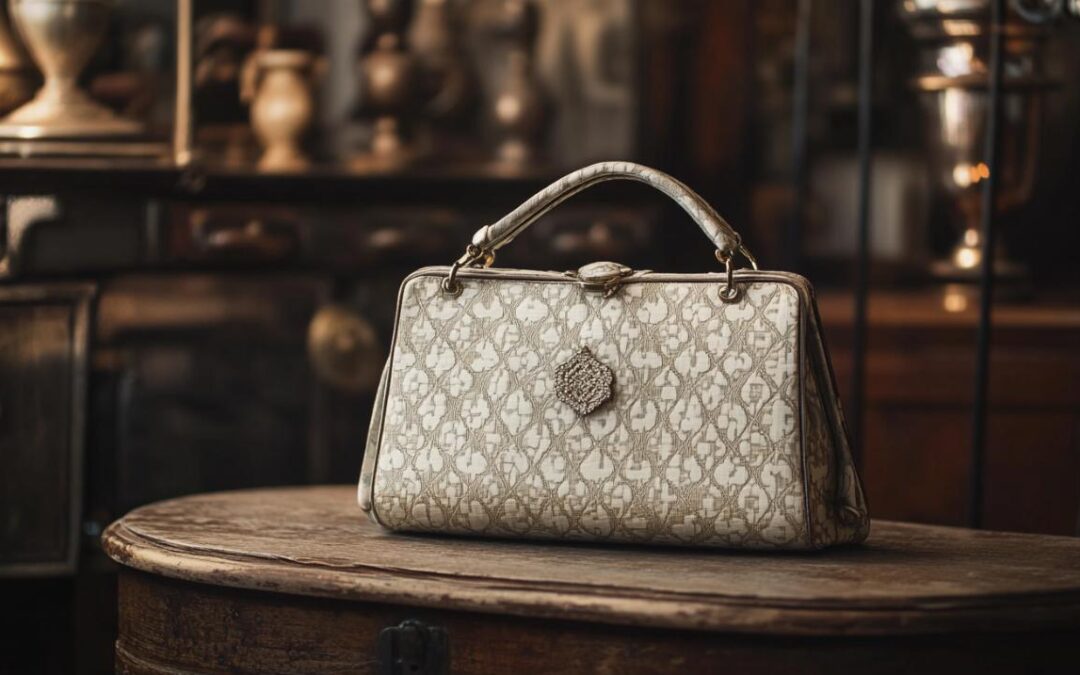
The world of fashion accessories has witnessed countless transformations over the decades, yet few items have maintained such enduring appeal as the foldable handbag. This remarkable piece has transcended fleeting trends and seasonal fads to establish itself as an essential component of the modern wardrobe. From its humble beginnings to its current status as a beloved staple among style enthusiasts and practical consumers alike, the foldable handbag represents a fascinating intersection of innovation, functionality, and timeless elegance. Understanding its journey offers insight into how certain fashion icons manage to remain relevant despite the ever-changing landscape of luxury fashion trends and consumer preferences.
The Birth and Rise of the Foldable Handbag in Fashion History
Early origins and revolutionary designs that changed accessories forever
The concept of a foldable handbag emerged from a simple yet profound need: versatility. In an era when designer bags were increasingly becoming statements of wealth and status, the idea of a bag that could adapt to various circumstances seemed almost revolutionary. The inception of this design philosophy can be traced back to the early 1990s when fashion houses began exploring materials and structures that prioritised both form and function. Nylon, a lightweight and durable fabric, became the material of choice for pioneering designers who envisioned accessories that could be easily stored, transported, and transformed according to the wearer's needs. One of the most iconic examples of this innovation arrived in 1993 with the launch of the Longchamp Le Pliage, a bag that would go on to define an entire category of accessories. Priced at a modest sum compared to traditional luxury offerings, this foldable design offered consumers an elegant solution that did not compromise on style. The Le Pliage's clever construction allowed it to be folded flat when not in use, making it ideal for travel and everyday practicality. Its success demonstrated that luxury did not always require exorbitant pricing or rigid structures, and it paved the way for other brands to explore similar concepts. As the foldable handbag gained traction, it challenged the prevailing notions of what constituted a prestigious accessory, proving that innovation and practicality could coexist beautifully within the realm of high fashion.
Iconic fashion personalities who championed the foldable handbag movement
The rise of the foldable handbag owes much to the influential figures who embraced and popularised this practical yet chic accessory. Celebrities and fashion icons recognised the value of a bag that could seamlessly transition from casual outings to more formal occasions without requiring a complete wardrobe change. This adaptability made the foldable handbag particularly appealing to those leading dynamic, multifaceted lives. Over time, the endorsement of such personalities elevated the status of these bags from mere functional items to coveted fashion statements. The cultural shift towards valuing practicality alongside aesthetics can be seen in the broader context of luxury market trends, where consumers increasingly seek items that offer both prestige and utility. The foldable handbag became a symbol of modern sophistication, appealing to a generation that valued flexibility and efficiency without sacrificing elegance. This movement was further bolstered by the growing popularity of designer dupes and more affordable handbags, which democratised access to stylish accessories. Brands like Uniqlo, Lululemon, Baggu, and Cos began offering their own interpretations of the foldable design, making it accessible to a wider audience. These alternatives, including nylon shoppers, belt bags, and cross-body bags, provided consumers with numerous options that retained the essence of the original concept while catering to diverse budgets and preferences. The influence of these fashion personalities and the subsequent proliferation of foldable designs underscored a significant shift in how people approached fashion accessories, prioritising versatility and practicality over ostentatious displays of wealth.
Why the Foldable Handbag Remains a Timeless Statement Piece
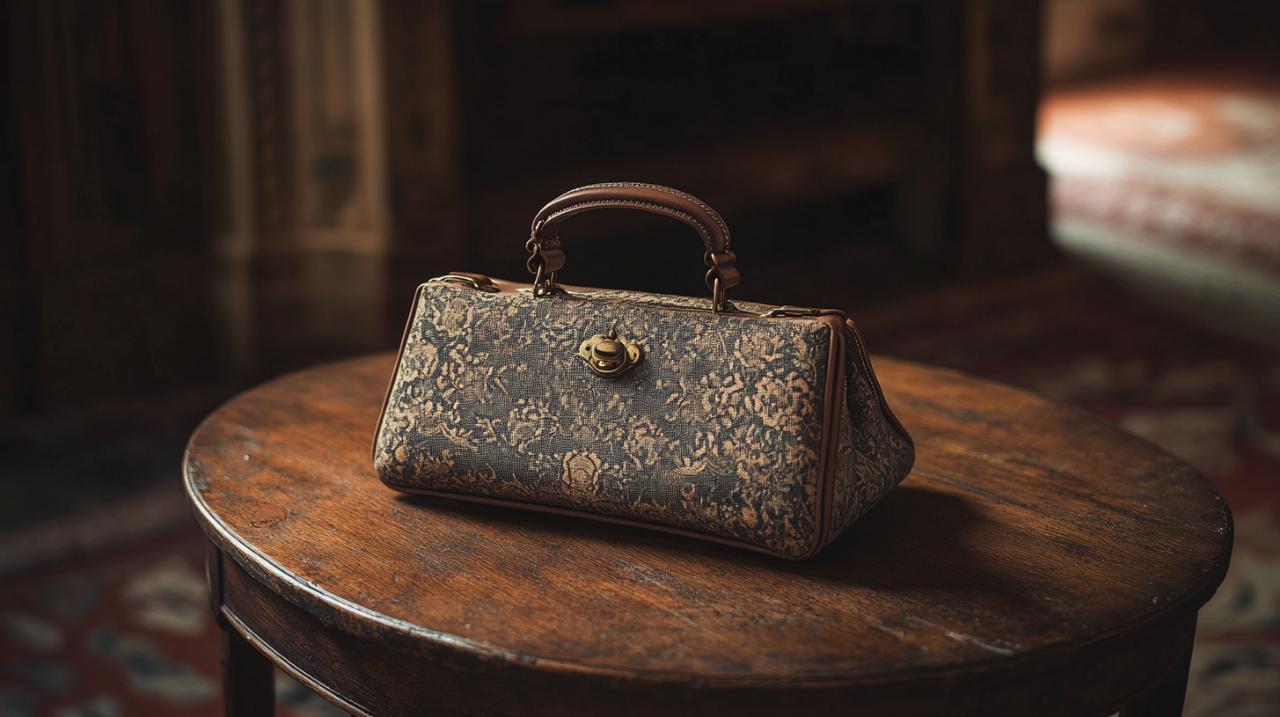
The Perfect Blend of Practicality and Elegance in Modern Fashion
In recent years, the foldable handbag has experienced a remarkable resurgence, particularly among younger generations who appreciate its unique combination of functionality and style. The enduring appeal of this accessory lies in its ability to adapt to the evolving needs of contemporary consumers. As luxury fashion trends continue to shift towards more practical bags, the foldable handbag stands out as a testament to intelligent design and thoughtful craftsmanship. For those eager to discover more about such innovative accessories and to check out losmasdeseados.es for curated selections, the foldable handbag represents an ideal choice that balances elegance with everyday usability. The current fashion landscape is marked by a notable decline in traditional luxury sales, with millions of consumers stepping away from prohibitively expensive designer bags. This shift has created a renewed interest in mid-priced and affordable options that do not compromise on quality or aesthetic appeal. The foldable handbag fits perfectly within this new paradigm, offering a stylish solution that respects both budgetary constraints and environmental considerations. Sustainable fashion practices have become increasingly important, and the longevity of a well-made foldable bag aligns with the values of conscious consumers. The materials used in these designs, often including durable nylon and other resilient fabrics, ensure that the bags can withstand the rigours of daily use while maintaining their elegant appearance. This commitment to quality and sustainability has helped the foldable handbag maintain its relevance in a market that is constantly evolving and demanding more from fashion accessories.
Contemporary style icons keeping the foldable handbag tradition alive
Today's fashion icons and influencers continue to champion the foldable handbag, recognising it as a versatile accessory that complements a wide range of styles and occasions. The revival of classic designs has been particularly evident in the resurgence of interest among Gen Z consumers, who have embraced the understated elegance and practicality of bags like the Longchamp Le Pliage. This renewed enthusiasm has been fuelled by celebrity endorsements and the visibility of these bags in popular culture. Brands such as Aupen have successfully captured the attention of high-profile personalities by offering mid-priced options that deliver on both style and functionality. The appeal of these contemporary designs lies in their ability to offer a refreshing alternative to the oversized handbags that have dominated recent runway shows by luxury houses such as Miu Miu, Louis Vuitton, and Hermès. While supersized bags have their place in the fashion ecosystem, the foldable handbag provides a counterbalance, catering to those who prioritise convenience and understated sophistication. The ongoing popularity of practical bags, including cross-body bags and belt bags, underscores a broader trend towards accessories that enhance rather than hinder the wearer's lifestyle. The foldable handbag embodies this philosophy, offering a solution that is both aesthetically pleasing and remarkably functional. As the fashion industry continues to navigate shifting consumer preferences and economic uncertainties, the foldable handbag remains a reliable and beloved choice. Its ability to adapt to changing times while retaining its core appeal is a testament to the enduring power of thoughtful design. Whether carried by a seasoned fashion enthusiast or a newcomer to the world of luxury accessories, the foldable handbag stands as a symbol of timeless elegance and practical innovation, ensuring its place in the pantheon of iconic fashion accessories for years to come.