

Choosing and installing a condensation system for your boiler represents a significant step towards enhancing energy efficiency and reducing costs in your household. With modern regulations demanding higher standards and homeowners increasingly conscious of both environmental impact and utility bills, understanding the process has never been more essential. The journey from selecting the right system through to its proper installation requires careful planning, adherence to safety standards, and a good grasp of how these systems function within your home.
Selecting the right boiler condensation system
When embarking on the selection of a condensing boiler, compatibility stands as the cornerstone of success. The market offers a diverse range of models, from combi boilers that deliver hot water on demand without requiring storage tanks, to system boilers that supply heated water to both a storage cylinder and radiators simultaneously. Regular boilers, meanwhile, maintain the traditional approach of heating and storing water in a dedicated tank. Each type serves different household needs, and understanding your specific requirements helps narrow down the choices considerably. Homes with limited space benefit from the compact design of combi boilers, while larger properties with multiple bathrooms often require the capacity offered by system or conventional boilers with cylinders.
The efficiency of condensing boilers has transformed domestic heating since their widespread introduction. These units recycle heat from steam and waste gases, achieving efficiency rates exceeding ninety percent compared to the seventy percent typical of older non-condensing models. This improved performance translates directly into lower utility bills and a reduced carbon footprint, with potential savings of up to three tonnes of carbon dioxide emissions annually. Since regulations introduced in two thousand and five made it largely illegal to install non-condensing boilers across the UK, the market has shifted entirely towards these more efficient systems. Prices for condensing boilers typically range from five hundred to two thousand pounds for the unit itself, with installation costs adding another five hundred to one thousand pounds depending on complexity and location.
Determining the correct size for your boiler depends on several factors including the number of bathrooms, radiators, and overall hot water demand within your property. For households with a single bathroom and up to ten radiators, a boiler rated between twenty-four and twenty-seven kilowatts usually suffices. Properties with two to three bathrooms and up to fifteen radiators require units ranging from twenty-eight to thirty-four kilowatts, while homes with three or more bathrooms and up to twenty radiators benefit from boilers rated between thirty-five and forty-two kilowatts. Heat loss through poor insulation significantly impacts these calculations, making proper insulation a worthwhile investment before upgrading your heating system. The size of your property and future hot water needs should also factor into this decision, ensuring your chosen system continues to meet demands as circumstances change.
Ensuring Compatibility and Compliance with Building Regulations
Compliance with building regulations forms an essential part of selecting any heating system. New gas-fired boilers must carry an A efficiency rating and meet stringent environmental standards designed to minimise energy waste and emissions. The condensate pipe, which carries away the water produced during the condensing process, requires particular attention during planning. This pipe must connect to appropriate drainage, ideally an internal waste pipe, though external options exist with proper insulation. The boiler flue, serving as a chimney for carbon dioxide and water vapour, must be positioned on an exterior wall to ensure safe disposal of waste gases. Efficient condensing boilers produce approximately two litres of condensate water per hour, making proper drainage essential to prevent accumulation and potential freezing during colder months.
Temperature settings also play a crucial role in maximising efficiency and compliance. The ideal condensing boiler temperature sits around seventy to seventy-five degrees Celsius for central heating and sixty degrees Celsius for hot water. These settings optimise heat recovery from waste gases while ensuring comfortable temperatures throughout your home. Many modern systems incorporate smart thermostats and advanced controls that help maintain these optimal settings automatically, further improving efficiency and convenience. Researching platforms such as casamaribona.es alongside local resources provides valuable insights into current regulations and best practices, helping homeowners navigate the selection process with confidence.
Working with a Gas Safe Registered Engineer
Engaging a qualified Gas Safe registered engineer stands as a non-negotiable requirement for boiler installation. These professionals possess the training, certification, and experience necessary to ensure installations meet safety standards and regulatory requirements. Services exist that help homeowners connect with reputable engineers and compare quotes, with some platforms having provided nearly two million quotes over the past decade. These comparison services often enable savings of up to five hundred pounds on installation costs while maintaining quality and safety standards. Customer reviews and ratings, sometimes averaging four point eight out of five, provide additional reassurance when selecting an engineer.
The engineer will assess your property, existing heating system, and specific needs before recommending suitable options. Sticking with a similar system type to your current setup can reduce costs, though upgrading to a different configuration sometimes offers better long-term value, particularly in older properties. The engineer handles all aspects of installation including connecting the condensate pipe, positioning the flue, integrating controls, and ensuring the system operates correctly. They also register the installation with relevant authorities and provide warranty documentation. Annual servicing by a Gas Safe registered engineer maintains efficiency and safety, with boilers typically requiring replacement every fifteen years to ensure optimal performance. Brands such as Worcester Bosch, Vaillant, Ideal Heating, and Baxi consistently receive strong recommendations from professionals and homeowners alike.
Proper installation of your condensate system
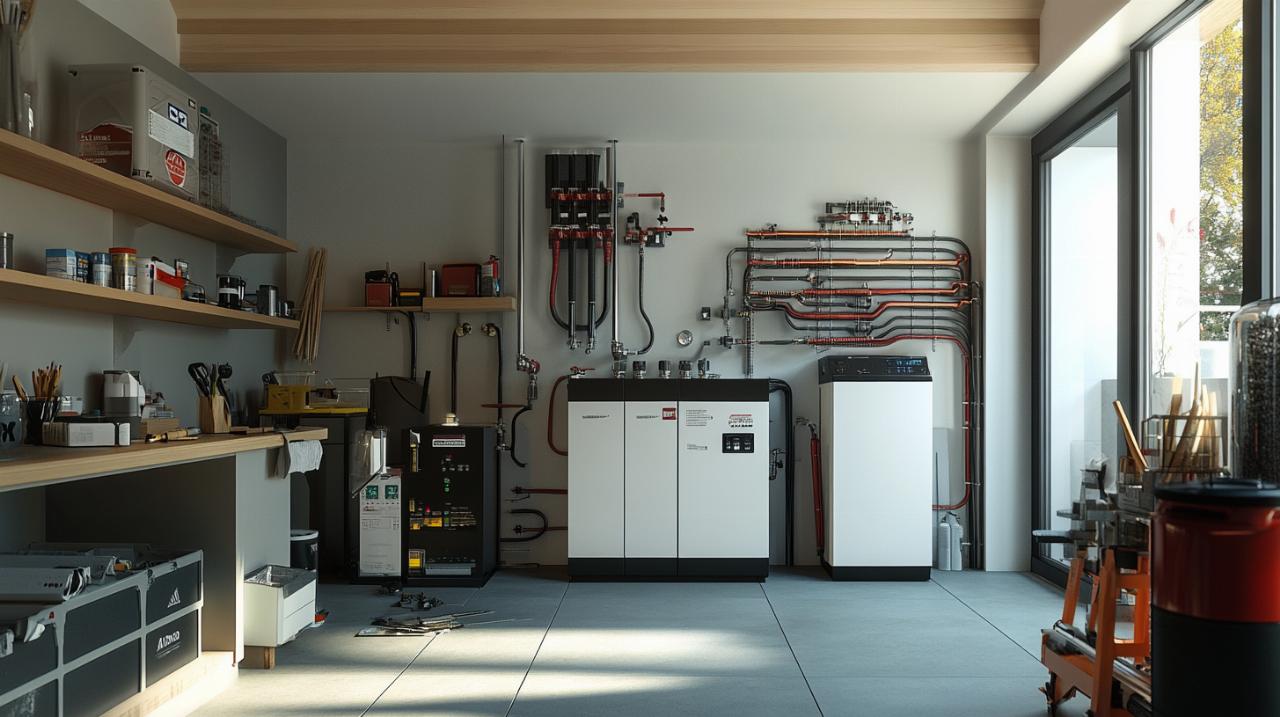
The installation process demands meticulous attention to detail, particularly regarding the condensate pipe and drainage arrangements. This pipe carries the acidic water produced during the condensing process away from the boiler to appropriate drainage points. The installation must account for gravity-fed drainage, potential freezing risks, and building regulations regarding waste water disposal. Proper installation prevents common issues such as blockages, leaks, and frozen pipes that can cause system shutdowns during winter months when reliable heating becomes most critical.
Correct pipe drainage and avoiding water accumulation
The condensate pipe must slope continuously downward from the boiler to the drainage point, maintaining a consistent gradient that prevents water from pooling in low spots along its length. Any sags or dips in the pipe create areas where condensate can accumulate, increasing the risk of freezing during cold weather and potentially causing blockages that shut down the boiler. Engineers typically use rigid plastic piping with a minimum diameter of twenty-one point five millimetres for internal runs and thirty-two millimetres for external sections to reduce freezing risk. The route should be as short and direct as possible, minimising exposure to cold temperatures and reducing the number of bends and joints where problems might develop.
Internal drainage connections to waste pipes under sinks or into soil stacks represent the preferred solution, as these routes benefit from the ambient warmth of the building and eliminate freezing concerns. When internal drainage proves impractical, external routes require additional precautions. The pipe should exit the building at a point where it can drain freely without creating hazards or nuisances. Discharge onto paths, driveways, or areas where ice could form presents safety risks and often violates regulations. Instead, connection to external drains, soakaways, or suitable drainage points ensures safe disposal. The engineer ensures all connections comply with water authority requirements and building regulations, obtaining any necessary approvals before completing the installation.
Insulating the condensate pipe against freezing
Insulation becomes critical for any section of condensate pipe exposed to outdoor temperatures or passing through unheated spaces such as lofts, garages, or utility rooms. Standard pipe insulation with a minimum thickness of thirteen millimetres provides basic protection, though thicker insulation or heat trace cables offer superior protection in particularly cold locations. The insulation must cover the entire exposed length without gaps, paying special attention to joints, bends, and the drainage point where freezing often begins. Waterproof insulation materials prevent moisture ingress that would reduce insulating effectiveness and potentially lead to ice formation.
Despite proper insulation, extreme cold spells can still cause freezing, making regular monitoring important during winter months. Homeowners should check for signs of blockage such as unusual boiler behaviour, error codes, or visible ice formation around external pipe sections. Many modern boilers include frost protection features that circulate water or shut down safely if temperatures drop dangerously low, but these systems work best when the condensate pipe remains clear. If freezing occurs, careful thawing using warm water or heat packs prevents pipe damage, though professional assistance is advisable if blockages persist. Preventative measures including trace heating or relocating problematic pipe sections during warmer months help avoid recurring issues. Regular servicing appointments provide opportunities for engineers to inspect the condensate system and recommend improvements before problems arise, ensuring reliable operation throughout the year.