
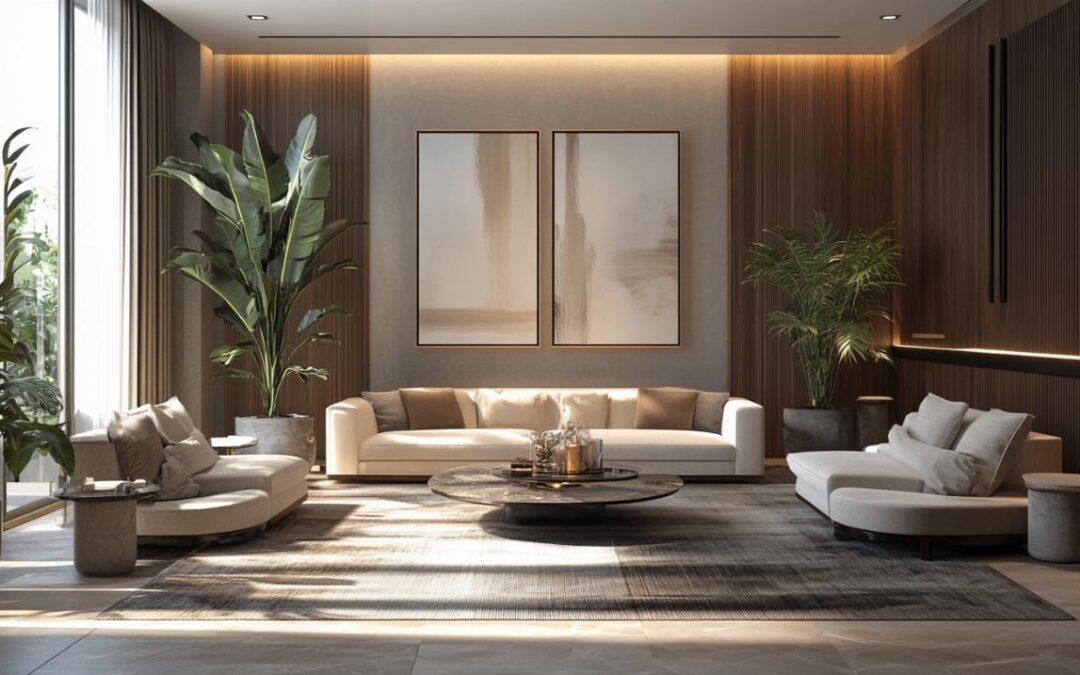
The way we inhabit our homes has undergone a remarkable shift in recent years, and the appetite for refreshing our living spaces shows no sign of waning. As we navigate through evolving tastes and priorities, the realm of interior design continues to surprise us with innovative approaches that marry comfort, sustainability, and bold self-expression. Whether you are contemplating a complete overhaul or simply seeking to inject a touch of contemporary flair into your surroundings, understanding the latest movements in home styling can offer valuable inspiration. From the resurgence of vintage treasures to the embrace of natural materials and striking colour choices, the opportunities to transform your dwelling are both exciting and accessible.
Sustainable materials and biophilic design elements
Natural textures and eco-friendly furnishings
A growing consciousness around environmental impact has steered many homeowners towards choices that reflect a commitment to sustainability. This shift is not merely about making responsible purchases; it has become a defining aesthetic in its own right. The appeal of natural textures has surged, with materials such as cork, reclaimed timber, and organic fabrics taking centre stage. These elements bring warmth and authenticity to interiors, creating spaces that feel both grounded and inviting. The trend towards wooden kitchens exemplifies this movement, as homeowners seek the handcrafted charm that only genuine wood can provide. Rather than relying on uniform, mass-produced units, the preference has turned to bespoke pieces that showcase the unique grain and character of the material.
Vintage furniture continues to enjoy widespread popularity, driven not only by its inherent sustainability but also by its ability to infuse individuality into a room. Sourcing pre-loved items reduces waste and offers a sense of history that new furnishings often lack. When considering home decor trends for 2021 and beyond, the integration of vintage pieces alongside modern elements has proven to be a winning formula. This eclectic mixing allows for personal expression and creates layered, dynamic spaces that feel lived-in and genuine. The unfitted kitchen trend further illustrates this approach, replacing coordinated cabinetry with a curated collection of freestanding furniture and heirloom pieces that tell a story.
Sustainability extends beyond the choice of materials to encompass the entire lifecycle of furnishings. Circular materials, designed to be reused or recycled, are gaining traction as consumers become more mindful of their environmental footprint. Furniture crafted from waste materials or locally sourced resources embodies a form of sustainable luxury that prioritises quality and craftsmanship over mass production. This ethos resonates with those who value authenticity and seek to surround themselves with objects that reflect their principles. The emphasis on natural textures and eco-friendly choices is not a passing fad but a fundamental shift in how we approach the design and decoration of our homes.
Bringing the Outdoors Inside with Living Greenery
Biophilic design, which seeks to connect interior spaces with the natural world, has emerged as a powerful trend in contemporary home styling. The presence of living greenery within the home offers numerous benefits, from improving air quality to enhancing mental wellbeing. Indoor plants have long been a staple of interior decoration, but the current movement takes this concept further by integrating advanced systems such as indoor AI gardens. These smart installations allow residents to cultivate fresh herbs and vegetables year-round, combining technology with the timeless pleasure of nurturing plant life.
The incorporation of natural elements extends beyond potted plants to include features such as internal windows, which invite light into darker areas and create visual connections between rooms. This approach fosters a sense of openness and flow, making even compact dwellings feel more spacious and airy. Immersive murals depicting lush landscapes or fantastical natural scenes have also gained favour, transforming walls into portals that transport inhabitants to other realms. These artistic interventions blur the boundaries between interior and exterior, reinforcing the biophilic principle of harmonising built environments with nature.
Materials that evoke the outdoors are equally important in this design philosophy. Surfaces that mimic the texture of bark, stone, or water bring a tactile dimension to interiors, engaging the senses and fostering a deeper connection to the natural world. Clay and terracotta tones, reminiscent of sun-baked earth, create a warm and inviting atmosphere that grounds a space in organic beauty. The use of leather and hide in textiles adds another layer of natural authenticity, celebrating materials that age gracefully and develop character over time. By embracing these elements, homeowners can craft spaces that feel restorative and serene, offering a welcome respite from the hustle and bustle of modern life.
Bold colour palettes and statement pieces
Vibrant hues and artistic focal points
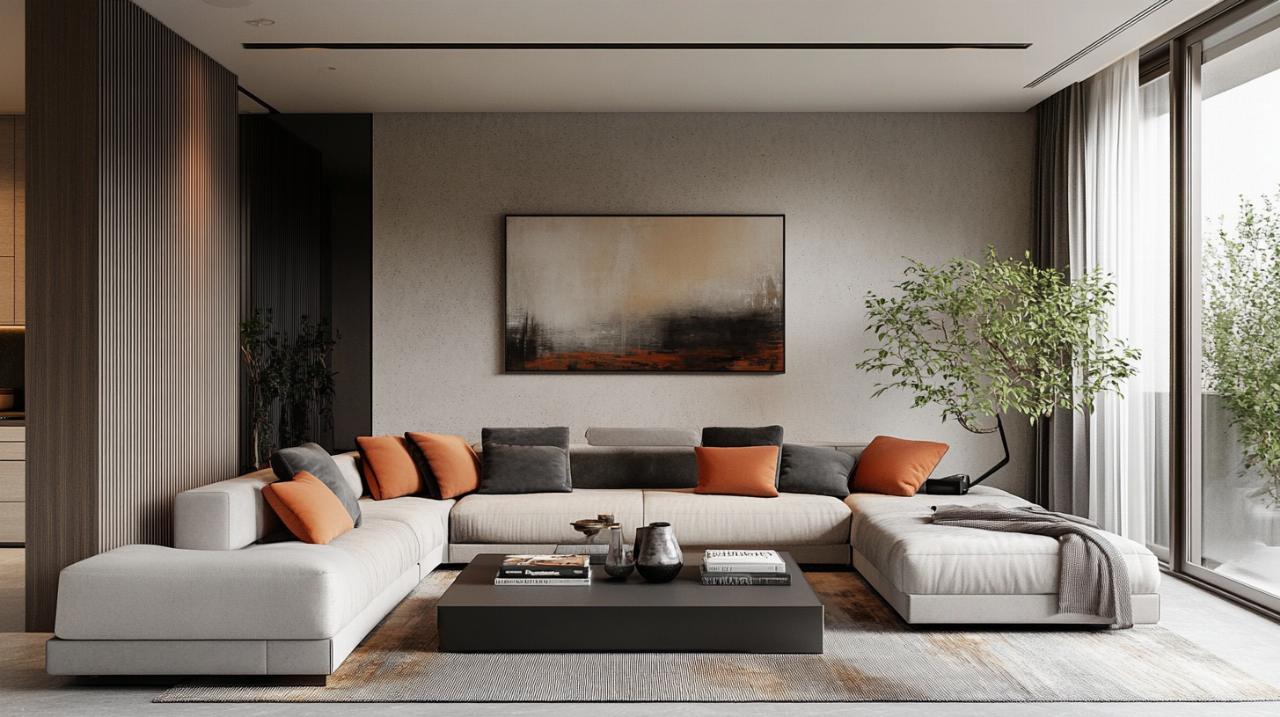
While sustainability and natural materials dominate one side of the design conversation, a contrasting trend celebrates boldness and theatricality. The use of vibrant hues has become a hallmark of contemporary interiors, with homeowners increasingly willing to experiment with daring colour schemes. Red-orange palettes, for instance, inject energy and warmth into living spaces, creating an atmosphere that feels both dynamic and inviting. Yellow drenching, where a single sunny hue envelops an entire room, offers a luminous and uplifting aesthetic that transforms even modest spaces into radiant retreats.
Statement hallways exemplify the shift towards treating every area of the home as an opportunity for creative expression. Once overlooked as mere transitional spaces, hallways are now adorned with bold patterns, striking lighting, and eye-catching artworks. This trend reflects a broader movement away from conservative design conventions towards a more playful and personalised approach. The new gallery wall concept embraces this ethos, favouring chaotic, eclectic arrangements over the rigid, uniform displays of the past. By mixing artworks of varying sizes, frames, and subjects, homeowners can create visually engaging compositions that reflect their unique tastes and experiences.
Furniture itself has become a canvas for artistic expression, with sculptural pieces that blur the line between functional object and work of art. Lacquered furniture, with its glossy finish and vivid colours, brings a touch of glamour and sophistication to any room. Fringe sofas combine theatrical flair with minimalist sensibilities, offering a playful yet refined aesthetic. Low-slung furniture, inspired by the relaxed vibe of the nineteen seventies, contributes to an atmosphere of casual elegance. These bold choices demonstrate a willingness to break design rules and embrace individuality, resulting in interiors that feel fresh, vibrant, and full of personality.
Mixing contemporary styles with vintage charm
One of the most exciting developments in home styling is the seamless blending of contemporary and vintage elements. This approach allows for a rich layering of styles and periods, creating spaces that feel both timeless and thoroughly modern. Modern Medieval influences, for example, bring together dark wood, sumptuous textiles, and antique furnishings with sleek contemporary lines. This fusion honours the craftsmanship and romance of historical design while adapting it to suit the needs and sensibilities of today’s living.
Victorian-style bathrooms offer another illustration of this trend, merging the opulence of the past with the functionality demanded by modern life. Roll-top baths, ornate fixtures, and colourful tiles evoke a bygone era, yet when paired with contemporary plumbing and efficient layouts, they deliver comfort and practicality. Broken check patterns, achieved through the creative use of coloured tiles, add visual interest and a sense of playfulness to these spaces. The result is a bathroom that feels like a luxurious retreat, where every visit becomes an indulgent experience.
Upholstery has made a triumphant return, with soft, tactile fabrics such as velvet and faux fur lending warmth and cosiness to living areas. Faux fur, often crafted from recycled materials, offers a guilt-free way to enjoy the luxurious texture and bold colours that this trend celebrates. XL sofas, designed for ultimate comfort and adaptability, dominate living rooms, inviting relaxation and social interaction. Modular furniture further enhances flexibility, allowing homeowners to reconfigure their spaces to suit changing needs and moods. By combining these contemporary comforts with vintage accents, it is possible to create interiors that are both stylish and deeply personal, reflecting a commitment to comfort, sustainability, and individuality.